
Transforming Business Communication Instruction for Modern Learners
Teaching business communication has never been more challenging—or more important. Today's students arrive with shorter attention spans, different communication preferences, and higher expectations for relevance than ever before. Meanwhile, workplace demands evolve rapidly, AI transforms professional communication, and you're expected to prepare students for jobs that don't yet exist.
The traditional lecture-and-textbook approach that worked for decades no longer captures student attention or drives the deep learning that employers demand. Yet innovative teaching doesn't require massive resources or a complete course overhaul. Small, strategic changes in how you design activities, engage students, and connect content to real-world contexts can dramatically improve both student learning and your teaching satisfaction.
This comprehensive guide explores proven strategies for modernizing business communication instruction, creating engaging learning experiences, and connecting classroom learning to real-world practice—all while making your teaching more efficient and effective.
Why Teaching Innovation Matters Now
The gap between traditional business communication instruction and student needs has never been wider. Consider these realities:
- Gen Z students expect interactive, experiential learning – They've grown up with YouTube tutorials, TikTok, and instant feedback. Passive lectures feel archaic and disconnected.
- Workplace communication has fundamentally changed – Email remains important, but so do Slack, video messages, social media presence, and AI-assisted writing. Your course must reflect this reality.
- Attention is the new scarce resource – Students juggle multiple courses, jobs, family responsibilities, and constant digital distractions. You're competing for their cognitive bandwidth.
- Career readiness demands practical skills – Employers don't want students who can define business communication—they want graduates who can actually communicate effectively in complex, real situations.
- Teaching burnout is real – Using the same approaches year after year while watching engagement decline is demoralizing. Innovation can reignite your teaching passion.
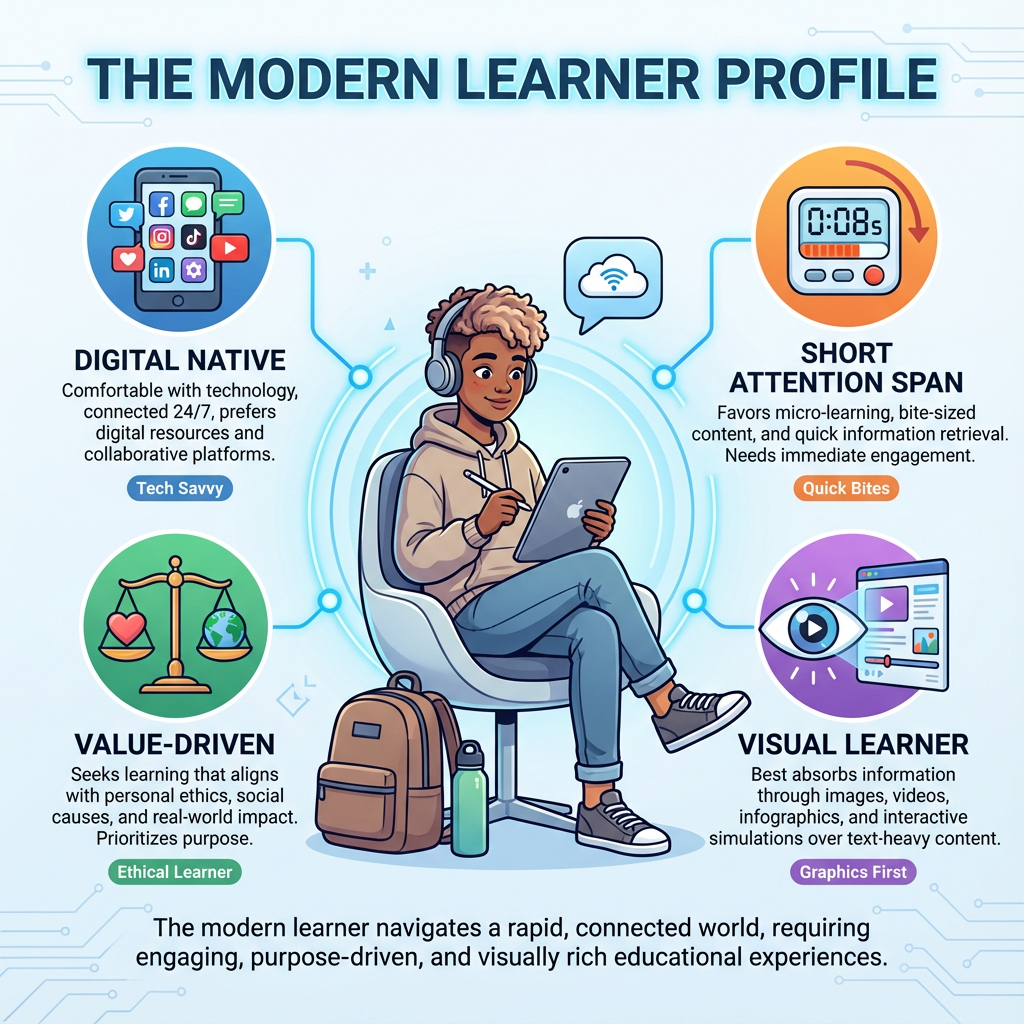
The good news? You don't need to reinvent everything. Strategic innovations in course design, active learning, and real-world connections can transform your teaching while actually reducing your workload.
Three Dimensions of Teaching Excellence
1. Course Design & Modernization
Effective teaching starts with intentional course design. Modern, well-structured courses align outcomes, activities, and assessments while eliminating outdated content that no longer serves students.
Key Topics:
- Identifying and addressing outdated course elements
- Understanding how generational shifts affect learning preferences
- Closing the gap between academic and real-world communication
- Recognizing and addressing hidden teaching challenges
- Improving teaching effectiveness and productivity
- Understanding why teaching feels harder than it should
- Breaking patterns of common teaching mistakes
- Debunking teaching myths that limit student success
- Applying the 80/20 principle to teaching priorities
Featured Articles:
- Is Your Business Communication Course Stuck in the Past? How to Create a Modern Makeover
- Are Generational Shifts Making Your Business Communication Obsolete
- How Can We Close the Gap Between Business Communication and Real-World Demands
- Overlooked Challenges in Teaching Business Communication
- Are Invisible Forces Sabotaging (or Strengthening) Your Business Communication Teaching
- Improving Teaching Effectiveness and Productivity
- Why Does Teaching Business Communication Feel Harder Than It Should—Even When You're Doing Everything Right
- Why Do Smart Instructors Keep Making the Same Teaching Mistakes and How Do You Break the Pattern
- Are We Teaching Business Communication All Wrong? 5 Myths That Hold Students Back
- What If 20% of What You Teach Drives 80% of Student Success
2. Active Learning & Engagement
Students don't learn communication by reading about it—they learn by doing it. Active learning transforms students from passive recipients to engaged practitioners who develop skills through practice, feedback, and reflection.
Key Topics:
- Implementing active learning techniques effectively
- 40 dynamic strategies for driving student success
- Innovative teaching methods that outperform traditional approaches
- Creating classrooms students actually want to attend
- Revolutionizing business communication instruction
- Engineering breakthrough "aha" moments
- Leveraging visual learning for maximum engagement
Featured Articles:
- Igniting Active Learning in Business Communication Courses
- How Can These 40 Dynamic Strategies Ignite Passion and Drive Success
- Which of These 10 'Crazy' Teaching Ideas Actually Works Better Than Traditional Methods
- How Do You Turn a Business Communication Classroom Into a Place Students Actually Want to Be
- How Can Educators Revolutionize Business Communication Instruction
- What If You Could Engineer Aha Moments Instead of Waiting for Them to Happen
- What If Visual Learning Could Finally Engage Every Student in Your Classroom
3. Real-World & Culture-Rich Teaching
The most engaging courses connect academic concepts to students' lived experiences and the culture they consume daily. When students see business communication principles at work in TikTok, Netflix, and their favorite brands, abstract concepts become concrete and memorable.
Key Topics:
- Integrating social media into course content and activities
- Using TikTok and internet culture as teaching tools
- Learning from memes and internet communication patterns
- Pop culture case studies and examples
- Industry immersion and professional connections
- Emotional storytelling and narrative techniques
Featured Articles:
- Top Strategies for Integrating Social Media into Your Business Communication Course
- Is TikTok the Most Underestimated Tool in Modern Business Communication
- How Is Internet Culture Reshaping Business Communication Through Memes
- What Do Taylor Swift, Netflix, and Wendy's Have in Common and What Can They Teach Your Students
- Are You Missing the Game-Changing Benefits of Industry Immersion
- Are You Teaching Your Business Communication Students the Secret Weapon of Emotional Storytelling
Principles of Effective Teaching Innovation
Start with Student Outcomes
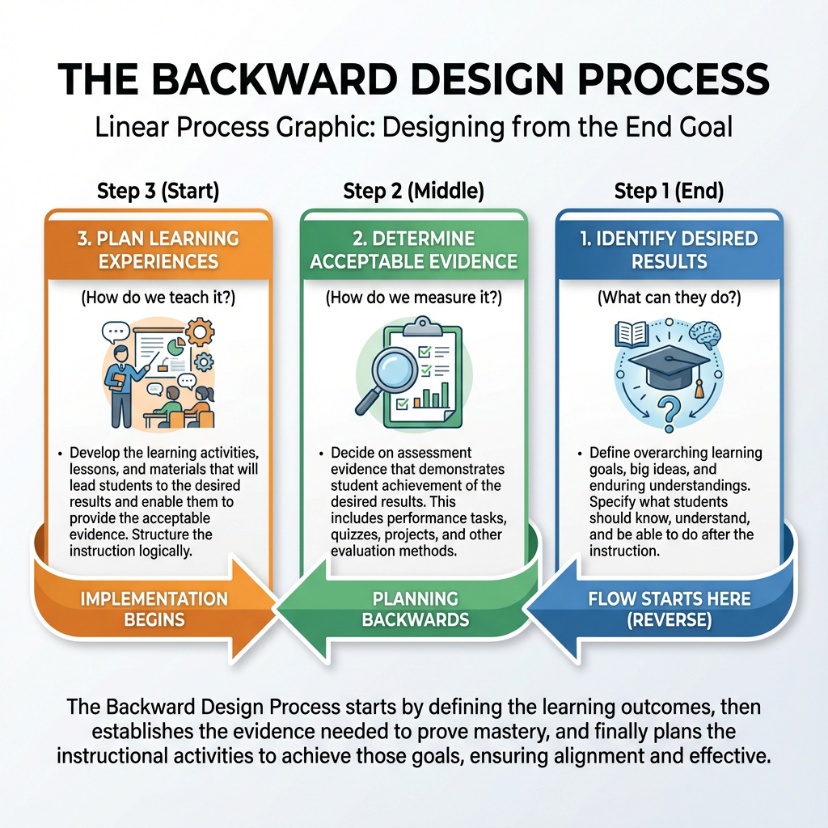
Before changing anything, ask: "What do I want students to be able to do by the end of this course?" Then design backward from those outcomes. Every activity, assignment, and assessment should clearly connect to specific, measurable skills students need for career success.
Make It Active, Not Just Interactive
Interactive activities engage students temporarily, but active learning creates lasting skill development. The distinction:
- Interactive: Students respond to polls, discuss in pairs, or watch engaging videos
- Active: Students practice authentic communication tasks, receive feedback, revise their work, and reflect on their learning
Both have value, but active learning drives deeper skill development.
Connect to Their World
Students disengage when course content feels disconnected from their lives. The solution isn't to abandon fundamentals—it's to demonstrate those fundamentals through examples they recognize and care about. When students see persuasive strategies in their favorite brand's TikTok or recognize audience analysis in a viral tweet, abstract concepts become concrete.
Build in Authentic Practice
Students need to practice skills in contexts that mirror real workplace challenges:
- Writing for actual audiences, not just for the instructor
- Solving messy, ambiguous communication problems
- Collaborating under constraints and time pressure
- Revising based on realistic feedback
- Making strategic choices among imperfect options
The closer practice mirrors real-world complexity, the better students transfer skills to their careers.
Create Psychological Safety
Students won't take risks, admit confusion, or try innovative approaches if they fear judgment. The most transformative learning happens when students feel safe to experiment, fail, learn, and try again. Build this culture through:
- Modeling vulnerability and acknowledging your own learning journey
- Praising effort and growth, not just correctness
- Framing mistakes as learning opportunities
- Providing constructive, growth-oriented feedback
- Celebrating creative approaches even when execution falls short
Leverage Technology Strategically
Technology should enhance learning, not complicate it. Before adding any new tool:
- Confirm it directly supports a learning outcome
- Ensure it's accessible to all students
- Consider the learning curve for both you and students
- Have a backup plan if technology fails
- Evaluate whether low-tech alternatives might work as well
Practical Teaching Innovations You Can Implement Tomorrow
Quick Wins: Changes That Take Minutes but Make Impact
- Replace generic examples with current, specific ones Instead of: "Companies use social media for marketing" Try: "Duolingo's TikTok account gained 6 million followers by using humor and self-deprecation—let's analyze their strategy"
- Add a 60-second reflection prompt End each class with: "Text yourself one thing you learned today that you'll use in your next assignment"
- Create a visual anchor for each major concept Find or create an image, meme, or visual metaphor that captures each key principle. Students remember visuals better than bullets.
- Use authentic documents as examples Replace textbook samples with actual emails, LinkedIn posts, or presentations from successful professionals (with permission).
- Implement peer teaching Have students teach a concept to a partner before you explain it. Even failed attempts prime their brains for your instruction.
Medium-Lift Changes: Worth a Weekend of Planning
- Design a signature assignment Create one major project that integrates multiple skills, mimics workplace complexity, and allows student choice. This becomes the centerpiece students remember.
- Build a real-world client project Partner with a local business, nonprofit, or campus organization. Students develop actual communication materials for real stakeholders.
- Create a "communication in the wild" analysis series Students find examples of effective and ineffective communication in their daily lives, analyze them using course concepts, and present findings to the class.
- Develop a skills portfolio Instead of discrete assignments, have students build a cumulative portfolio of communication artifacts with reflections on their development.
- Redesign one unit as a simulation Transform your persuasion or proposal unit into a scenario where students compete for funding, pitch clients, or advocate for change.
Transformative Changes: Investments That Reshape Your Course
- Flip the classroom Students learn concepts through pre-class videos and readings, then use class time for application, practice, and feedback. This maximizes high-value face-to-face time.
- Implement specifications grading Replace traditional points with clear specifications for what constitutes acceptable work. Students can revise until they meet standards, reducing grade anxiety and focusing on learning.
- Create a course-long client relationship Students work with the same organization all semester, building increasingly sophisticated communication artifacts as skills develop.
- Design authentic assessment Replace traditional tests with performance assessments that mirror workplace challenges: pitch competitions, consulting reports, campaign development, crisis communication scenarios.
- Build a student-driven content library Each student creates and shares a tutorial, tip sheet, or analysis that becomes a resource for future students. This creates community and legacy.
Addressing Common Teaching Challenges
"My students don't seem motivated."
The root cause: Students may not see the relevance, understand the value, or believe they can succeed.

Strategic responses:
- Make career connections explicit and specific
- Share alumni success stories with communication skills
- Break large challenges into achievable milestones
- Celebrate small wins and progress
- Let students exercise choice in topics or formats
- Connect to their existing interests and goals
"I don't have time to grade more assignments"
The root cause: You're doing more feedback work than necessary, or feedback isn't targeted effectively.
Strategic responses:
- Use peer review to multiply feedback opportunities without increasing your load
- Create detailed rubrics that provide feedback through scoring
- Focus written feedback on 1-2 high-impact improvement areas, not every error
- Use audio or video feedback—it's often faster and more personal
- Implement specifications grading to reduce subjective scoring
- Have students self-assess against criteria before you review
"Active learning takes too much class time"
The root cause: Activities aren't designed efficiently, or coverage is prioritized over learning.
Strategic responses:
- Remember: less coverage, deeper learning = better outcomes
- Design activities that serve multiple objectives simultaneously
- Use out-of-class time for content introduction, in-class for application
- Create templates and structures you can reuse across topics
- Start small with 10-minute activities, not 50-minute overhauls
- Measure success by what students can do, not what you covered
"I'm not comfortable with technology/social media"
The root cause: Fear of looking unknowledgeable or losing control.
Strategic responses:
- Let students be the experts on platforms—you provide the analytical framework
- Start with platforms you personally use
- Focus on principles that transcend specific technologies
- Partner with digitally fluent colleagues or students
- Remember: you're teaching communication strategy, not platform features
- Acknowledge your learning alongside students—it models growth mindset
"My course has too much required content to innovate"
The root cause: Treating coverage as sacred without evaluating actual learning value.
Strategic responses:
- Apply the 80/20 rule: identify the 20% of content that drives 80% of learning
- Cut content that students can google when needed but don't need to memorize
- Integrate content across assignments rather than teaching then assessing
- Consider what students actually retain and use six months later
- Focus on transferable skills over exhaustive topic lists
- Trust that deeper learning of core principles beats shallow coverage of everything
Measuring Teaching Innovation Success
How do you know if your innovations are working? Look for these indicators:
Immediate Signals
- Higher class attendance and punctuality
- Increased voluntary participation in discussions and activities
- Students referencing course concepts outside of required work
- Positive energy and engagement during class sessions
- Fewer students on phones/laptops during class
Assignment-Level Evidence
- Improved quality of work on similar assignments year-over-year
- More creativity and originality in student responses
- Deeper application of concepts rather than surface-level understanding
- Fewer students submitting minimal effort work
- Better first drafts requiring less revision
Course-Level Outcomes
- Higher course evaluation scores on engagement and learning
- Students reporting confidence in communication skills
- Better performance on capstone projects or cumulative assessments
- Students choosing to take additional communication courses
- Alumni reporting preparedness for workplace communication
Professional Impact
- Increased teaching satisfaction and reduced burnout
- Colleagues asking about your approaches
- Reduced time on remediation and clarification
- More time for high-value activities like meaningful feedback
- Renewed enthusiasm for teaching the course
Creating Your Innovation Roadmap
Ready to transform your teaching? Follow this strategic approach:
Phase 1: Assess and Prioritize (Week 1)
- Identify your biggest teaching frustrations
- Survey students on what helps/hinders their learning
- Review learning outcomes and assess alignment
- Pinpoint 2-3 high-impact opportunities for change
Phase 2: Start Small (Weeks 2-4)
- Implement 3-5 "quick win" changes
- Choose one medium-lift innovation to pilot
- Document what works and what doesn't
- Gather informal student feedback
Phase 3: Build on Success (Weeks 5-8)
- Expand successful innovations
- Add additional active learning elements
- Develop real-world connections
- Create supporting materials and structures
Phase 4: Reflect and Refine (Ongoing)
- Regularly assess what's working
- Adjust based on student feedback and outcomes
- Share successes with colleagues
- Continue iterating and improving
Remember: You don't need to transform everything at once. Even small, strategic changes can dramatically improve student engagement and learning outcomes.
The Innovation Mindset
The most effective teaching innovators share certain characteristics:
- Student-Centered Focus: They design for student learning, not instructor convenience or tradition.
- Experimental Attitude: They try new approaches, assess honestly, and adjust based on evidence.
- Comfortable with Imperfection: They launch innovations knowing they'll need refinement, rather than waiting for perfection.
- Collegial Collaboration: They share ideas, learn from others, and build on collective wisdom.
- Continuous Learning: They read teaching journals, attend workshops, and stay current on pedagogical research.
- Balanced Perspective: They innovate strategically, not for its own sake, always connecting changes to learning outcomes.
You don't need to have all these traits perfectly—just a willingness to grow in these directions.
The Bottom Line on Teaching Innovation
Innovative teaching isn't about having the most technology, the coolest activities, or the trendiest approaches. It's about intentionally designing learning experiences that:
- ✓ Align with authentic workplace communication demands
- ✓ Engage students through active, experiential learning
- ✓ Connect to students' lived experiences and cultural contexts
- ✓ Provide meaningful practice with constructive feedback
- ✓ Build both communication skills and professional confidence
- ✓ Create classrooms where students want to learn
- ✓ Sustain your own teaching passion and effectiveness
The strategies and insights on this pillar page and its connected hub pages provide a comprehensive toolkit for transforming your business communication instruction—whether you're making small adjustments or reimagining your entire approach.
Explore the Hub Pages
Ready to dive deeper into specific aspects of teaching innovation? Each hub page provides comprehensive coverage with detailed articles and practical strategies:
- Course Design & Modernization →
Discover how to identify outdated elements, close gaps with real-world practice, and streamline your course for maximum impact. - Active Learning & Engagement →
Explore proven active learning techniques, innovative methods, and strategies for creating classrooms students actually want to attend.

- Real-World & Culture-Rich Teaching →
Learn how to integrate social media, pop culture, and authentic industry connections to make business communication relevant and engaging.
Additional Resources
- All 6 Pillars Overview
- AI & Technological Transformation Pillar
- Textbook Adoption & Features Pillar
- Student Experience & Motivation Pillar
- Ethics & Professional Judgment Pillar
- Meta: Trends & Frameworks Pillar
Last updated: November 2025 | Total hub pages: 3 | Total cluster articles: 23