20 Failures in Business Communication and Lessons Learned: Effective Methods of Teaching Business Communication
Case analysis is one of the most effective methods of teaching business communication, and failures make some of the best cases. This resource outlines key examples of real-world business communication failures, from public relations disasters to internal miscommunications, and provides in-depth lessons learned from each scenario. It also offers classroom discussion points to help students analyze what went wrong, explore alternative strategies, and apply these insights to future business communication practices.
What is a communication failure?
A communication failure happens when a message doesn’t create the understanding, trust or action the sender intended. Sometimes the wording is unclear. More often the message goes out at the wrong time, through the wrong channel or in the wrong tone, and people react to what it signals.
What are the main types of communication failure?
- Tone failures: a defensive or tone-deaf response, like United Airlines’ first statement after the passenger removal.
- Channel failures: delivering serious news through the wrong medium, as when Better.com laid off employees on a Zoom call.
- Withheld or late information: people learn too little, too late, as in Boeing’s handling of the 737 Max crashes.
- Messages that backfire: a post or stunt read very differently than intended, like Burger King UK’s International Women’s Day tweet and Volkswagen’s “Voltswagen” stunt.
- Crisis updates that leave customers guessing: Ticketmaster’s Taylor Swift ticket sales and Southwest Airlines’ holiday disruption.
- Claims that don’t hold up: statements that promise more than the facts support, such as Keurig’s recyclability claims.
For the everyday problems behind many of these failures, such as buried requests, information overload and unchecked AI drafts, see Business Communication Problems: 8 Common Ones and How to Fix Them.
Real-life examples of poor communication in the workplace
The 20 cases below come from real companies, from 2017 to 2024. Each one describes the failure, the lessons to draw from it and points for class discussion.

United Airlines faced backlash after forcibly removing a passenger from an overbooked flight, issuing a defensive statement that ignored customer concerns and intensified public outrage.
1. United Airlines' Response to Passenger Removal Incident (2017)
Failure: After forcibly removing a passenger from an overbooked flight, United Airlines initially issued a defensive statement that failed to acknowledge customer concerns, escalating the backlash.
Expanded Lesson:
– Respond quickly, empathetically, and with responsibility in crisis communication.
– Prioritize human dignity and customer experience over rigid policy enforcement.
– Train staff at all levels to handle difficult situations with empathy and de-escalation techniques.
– Develop a crisis communication plan that includes immediate response protocols and clear guidelines for public statements.
– Regularly review and update policies to ensure they align with company values and public expectations.
– When mistakes are made, acknowledge them promptly and outline concrete steps for improvement.
Discussion Points:
– Compare United's response with how other airlines have handled similar situations.
– Ask students to rewrite United's initial statement to be more empathetic and customer-centric.
– Discuss how the airline could have engaged in a dialogue with the public to de-escalate the situation.
– Explore the long-term effects of poor crisis communication on customer loyalty and brand reputation.
– Analyze the role of social media in amplifying corporate missteps and the importance of monitoring online sentiment.
– Discuss the balance between enforcing company policies and maintaining positive customer relations.
2. Elon Musk's "Funding Secured" Tweet (2018)
Failure: Musk tweeted that he had secured funding to take Tesla private, which misled investors and resulted in an SEC lawsuit.
Expanded Lesson:
– Business communication, especially on social media, must comply with legal standards and regulations.
– High-level executives should be particularly cautious about making statements that could impact stock prices or investor decisions.
– Implement a robust social media policy that includes guidelines for executives and requires verification of sensitive information before public disclosure.
– Understand the legal implications of public statements, particularly for publicly traded companies.
– Recognize that personal social media accounts of high-profile executives can be viewed as official company communication channels.
– Consider implementing a review process for significant announcements, even on personal social media accounts.
Discussion Points:
– Discuss the legal implications of making misleading public statements, particularly in the context of securities laws.
– Ask students to develop a protocol for handling sensitive financial information in public communications.
– Explore how social media policies can prevent high-level executives from making costly mistakes.
– Analyze how Musk's personality and communication style impact Tesla's brand image and investor relations.
– Discuss the balance between transparency and confidentiality in corporate communications.
– Explore the role of board oversight in managing executive communications.
3. Peloton's Controversial Holiday Ad (2019)

This Peloton ad sparked controversy for its perceived sexist tone, depicting a woman thanking her husband for gifting her a bike to help her get in shape
Failure: The ad was perceived as sexist and tone-deaf, showing a woman receiving a Peloton bike from her husband and expressing "gratitude" for being pushed to get fit.
Expanded Lesson:
– Understand how messages can be interpreted differently across diverse audiences, and avoid reinforcing stereotypes.
– Conduct thorough market research and diverse focus group testing before launching major ad campaigns.
– Consider potential interpretations and unintended messages in advertising content.
– Develop a diverse creative team to provide varied perspectives on ad concepts.
– Be prepared to respond quickly and authentically to public backlash.
– Use controversies as learning opportunities to improve future marketing efforts and demonstrate genuine commitment to inclusivity.
Discussion Points:
– Ask students to identify how cultural perceptions can shape the reception of an advertisement.
– Have students draft a revised ad campaign that would resonate better with diverse audiences.
– Discuss the impact of social media backlash and how Peloton could have responded more effectively.
– Explore how brands can avoid reinforcing negative stereotypes in marketing.
– Analyze the importance of diverse representation in marketing teams and decision-making processes.
– Discuss how companies can turn PR crises into opportunities for brand growth and improved customer relations.
4. Boeing's Handling of the 737 Max Crashes (2019)
Failure: Boeing initially downplayed the severity of software issues leading to two fatal crashes, damaging public trust and delaying necessary action.
Expanded Lesson:
– Swift, transparent communication is critical in crisis situations, especially when safety is involved.
– Prioritize public safety over short-term financial considerations or reputation management.
– Develop a culture of transparency and accountability within the organization.
– Implement robust safety reporting systems and encourage employees to voice concerns without fear of reprisal.
– When issues arise, provide clear, factual information to all stakeholders, including the public, regulators, and customers.
– Be prepared to take immediate, decisive action to address safety concerns, even if it impacts short-term business operations.
Discussion Points:
– Discuss the ethical responsibilities of companies in handling safety issues, particularly in high-stakes industries like aviation.
– Ask students to draft a crisis communication strategy for Boeing that prioritizes transparency and public safety.
– Explore the long-term damage caused by Boeing's initial response and how it could have been mitigated.
– Compare Boeing's crisis response to other high-profile safety failures in aviation or other industries.
– Analyze the role of corporate culture in fostering or hindering effective crisis communication.
– Discuss the balance between protecting company interests and maintaining public trust during a crisis.
5. Zoom's Privacy Scandal (2020)
Failure: During the COVID-19 pandemic, Zoom experienced backlash due to "Zoom-bombing" and security vulnerabilities, which were not adequately addressed in early communications.
Expanded Lesson:
– In digital communication, security and privacy are paramount, and addressing concerns head-on helps maintain user trust.
– Rapidly growing companies must scale their security measures and communication strategies alongside their user base.
– Proactively communicate about security features and ongoing efforts to protect user data.
– Develop a robust incident response plan that includes clear communication protocols.
– Be transparent about vulnerabilities when they are discovered and provide regular updates on mitigation efforts.
– Engage with security experts and conduct regular audits to identify and address potential issues before they become public concerns.
Discussion Points:
– Analyze how Zoom's rapid growth contributed to the security and communication failures.
– Ask students to create a crisis management plan addressing the security vulnerabilities, including both technical solutions and communication strategies.
– Discuss how proactive communication about security can build trust with users.
– Compare Zoom's handling of the issue with other companies that faced privacy scandals.
– Explore the challenges of balancing user experience with security measures in digital products.
– Discuss the role of user education in maintaining digital security and how companies can effectively communicate best practices to their users.
6. Burger King UK's International Women's Day Tweet (2021)
Failure: Burger King UK tweeted "Women belong in the kitchen" to promote scholarships for female chefs but did not provide context in the initial tweet, leading to widespread backlash.
Expanded Lesson:
– Ensure messaging is clear and context is provided, especially on sensitive topics or when using provocative statements.
– Understand the limitations of social media platforms and adapt messaging accordingly.
– Consider how messages may be perceived when taken out of context or viewed in isolation.
– Be mindful of cultural sensitivities and potential misinterpretations, especially when addressing gender issues.
– Have a diverse team review potentially controversial messages before publication.
– When mistakes occur, respond quickly with a sincere apology and take concrete actions to demonstrate commitment to the intended message.
Discussion Points:
– Discuss how a well-intentioned campaign can be misinterpreted when context is missing, especially on social media.
– Ask students to draft a revised social media campaign promoting the scholarships without relying on controversial statements.
– Explore the role of social media in amplifying communication missteps and the challenges of conveying complex messages in limited character counts.
– Discuss the importance of diversity and inclusion in crafting messages that resonate with target audiences.
– Analyze the risks and potential benefits of using provocative statements in marketing campaigns.
– Explore how companies can effectively communicate their commitment to social issues without appearing opportunistic or insensitive.
7. Volkswagen's April Fool's "Voltswagen" Stunt (2021)
 Failure: Volkswagen issued a fake press release stating they were changing their name to "Voltswagen" to reflect their electric vehicle initiative. The prank confused investors and led to credibility issues.
Expanded Lesson:
– April Fool's jokes and marketing stunts can easily backfire, especially when they affect investor confidence or involve official channels like press releases.
– Maintain a clear distinction between marketing stunts and official corporate communications.
– Consider the potential impact on stakeholders, including investors, before engaging in pranks or humorous campaigns.
– Be aware of the legal implications of false statements, even if intended as jokes.
– If a stunt goes awry, quickly clarify the situation and apologize for any confusion caused.
– Develop guidelines for appropriate use of humor in corporate communications, considering the company's industry and reputation.
Discussion Points:
– Analyze the potential risks of using humor in business communication, especially on sensitive platforms like press releases.
– Ask students to identify when humor is appropriate in business communication and when it might cause harm.
– Discuss how companies can recover from PR blunders and rebuild credibility after a misguided marketing stunt.
– Compare this prank to other marketing stunts that went wrong or succeeded, analyzing the factors that contributed to their outcomes.
– Explore the impact of such stunts on a company's stock price and investor relations.
– Discuss alternative ways Volkswagen could have creatively promoted their commitment to electric vehicles without risking their credibility.
8. Activision Blizzard's Response to Workplace Harassment Allegations (2021)
Failure: The company initially dismissed allegations of sexual harassment and a toxic workplace culture, leading to employee walkouts and damage to its reputation.
Expanded Lesson:
– Address serious allegations with transparency, empathy, and concrete action plans.
– Foster a company culture that encourages reporting of misconduct and protects whistleblowers.
– Develop clear, enforced policies against harassment and discrimination.
– Respond to allegations with a commitment to thorough, independent investigations.
– Recognize that internal issues can quickly become public, especially in the age of social media.
– Demonstrate accountability at all levels of leadership, including potential changes in management if necessary.
– Engage in ongoing, transparent communication with employees and stakeholders throughout the process of addressing issues.
Discussion Points:
– Discuss the role of internal communication and culture in preventing workplace harassment.
– Ask students to create a communication strategy for companies facing similar crises, including both internal and external messaging.
– Explore how the company's delayed response impacted its reputation, employee trust, and potential legal liabilities.
– Compare Activision Blizzard's response with other companies facing harassment allegations, analyzing the effectiveness of different approaches.
– Discuss the importance of aligning corporate values with actual workplace practices.
– Explore the role of leadership in setting the tone for company culture and response to crises.
9. Balenciaga's Controversial Ad Campaign (2022)
Failure: Balenciaga faced backlash after releasing an ad campaign featuring children holding teddy bears dressed in bondage gear. The company's initial response was vague, and they later issued a public apology.
Expanded Lesson:
– Marketing campaigns should be thoroughly reviewed to ensure they don't unintentionally promote harmful or inappropriate messages, especially when involving children.
– Implement multi-level approval processes for sensitive or potentially controversial campaigns.
– Understand the cultural and social implications of imagery and messaging in global markets.
– When mistakes occur, issue a prompt, clear, and genuine apology that addresses specific concerns raised by the public.
– Take concrete actions to demonstrate commitment to change, such as revising internal review processes or partnering with child protection organizations.
– Recognize that in the fashion industry, provocative advertising can quickly cross ethical lines and requires extra scrutiny.
Discussion Points:
– Discuss the role of pre-campaign testing with diverse focus groups to avoid PR crises.
– Explore the difference between provocative advertising and offensive content, particularly in the fashion industry.
– Ask students to draft a crisis response statement for the company, considering different stakeholder reactions (consumers, child protection advocates, fashion industry peers).
– Have students consider how social media can amplify communication failures and the importance of monitoring online sentiment.
– Analyze the potential long-term impact on brand reputation and discuss strategies for rebuilding trust after such a controversy.
– Explore the ethical considerations of using children in advertising, especially for luxury or adult-oriented products.
10. Ticketmaster's Handling of Taylor Swift's Concert Ticket Sales (2022)
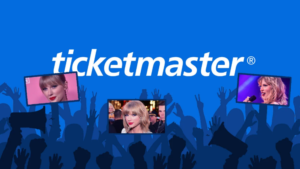
Ticketmaster faced public backlash and government scrutiny after failing to manage the overwhelming demand for Taylor Swift concert tickets. The site crashed, leaving fans frustrated with long wait times and canceled orders.
Failure: Ticketmaster faced public outrage and government scrutiny due to its inability to handle the overwhelming demand for Taylor Swift concert tickets. The site crashed, and fans were left frustrated after long wait times and canceled tickets.
Expanded Lesson:
– Ensure technical infrastructure can meet consumer demand, especially for high-profile events.
– Develop and communicate clear contingency plans for managing high-traffic situations.
– Provide transparent, real-time updates during major events to manage customer expectations.
– Implement fair and clearly communicated ticketing policies to prevent perceptions of unfairness or scalping.
– Be prepared to offer meaningful compensation or alternatives when systems fail to meet customer expectations.
– Engage proactively with artists, venues, and promoters to develop comprehensive event management strategies.
Discussion Points:
– Analyze the role of customer service communication during technical failures and how it can mitigate or exacerbate customer frustration.
– Ask students to brainstorm proactive communication strategies to address issues before customers reach out.
– Discuss how better communication could have prevented government scrutiny and potential regulatory action.
– Have students compare Ticketmaster's response with successful handling of high-demand situations by other companies in various industries.
– Explore the challenges of managing customer expectations in situations of extremely high demand and limited supply.
– Discuss the ethical implications of ticketing practices and how companies can balance profitability with fairness to consumers.
11. Southwest Airlines' Holiday Travel Disaster (2022)
Failure: Southwest Airlines canceled thousands of flights during the 2022 holiday season due to outdated scheduling software and bad weather, but their communication was slow and unclear, frustrating passengers.
Expanded Lesson:
– Proactive communication and contingency planning are essential, especially during high-demand periods.
– Invest in updating critical infrastructure and systems to prevent operational failures.
– Develop a comprehensive crisis communication plan that includes clear, frequent updates to customers, employees, and other stakeholders.
– Train front-line staff to effectively communicate with customers during crises, providing them with up-to-date information and empowering them to make decisions.
– Be transparent about the causes of issues and provide clear timelines and processes for resolution.
– Offer meaningful compensation and assistance to affected customers to rebuild trust and mitigate negative experiences.
Discussion Points:
– Compare Southwest's delayed response with companies that have handled crises effectively, analyzing the key differences in approach.
– Ask students to create a communication timeline that could have better managed the crisis, including pre-emptive messaging and regular updates.
– Explore the impact of outdated technology on communication and customer service, and discuss the importance of technological investment in customer-facing industries.
– Discuss how companies can use transparency to rebuild trust after failures, including the role of leadership in crisis communication.
– Analyze the long-term impact of such crises on brand loyalty and discuss strategies for customer retention post-crisis.
– Explore the challenges of balancing cost-cutting measures with maintaining robust operations and customer service.
12. Better.com’s Layoffs on a Zoom Call (2021)
Failure: In December 2021, Better.com CEO Vishal Garg laid off about 900 employees during a brief Zoom call, telling them their employment was ending effective immediately. The impersonal delivery drew widespread criticism, and Garg later apologized for how the layoffs were communicated.
Expanded Lesson:
– Bad news of this size deserves a channel that allows for questions and human contact, not a one-way announcement to a crowd.
– Plan the sequence: managers, affected employees and remaining staff each need clear, timely information.
– Give affected employees specifics on severance, benefits and next steps at the moment they hear the news.
– An apology afterward helps, but it rarely undoes the damage of a poorly delivered message.
Discussion Points:
– Ask students to plan how the same layoff could have been communicated, choosing channels, timing and who speaks to whom.
– Have students rewrite the opening of Garg’s announcement for a small-group or one-on-one conversation.
– Discuss when, if ever, a video call is an acceptable channel for delivering bad news.
– Analyze how the story spread on social media and what that means for internal messages that may become public.
13. Adidas Ending Its Partnership with Kanye West (2022)

Adidas faced public outrage for its delayed response to Kanye West's (Ye) antisemitic remarks. Critics argued that the company prioritized profit over principles, sparking widespread backlash.
Failure: Adidas delayed its response after Kanye West's (Ye) controversial antisemitic comments. The slow reaction caused public outrage, with critics arguing Adidas prioritized profit over principles.
Expanded Lesson:
– Speed and moral clarity are vital in crisis communication, especially when a partner or spokesperson's actions contradict the brand's values.
– Develop clear guidelines and protocols for responding to partner misconduct, including predefined thresholds for action.
– Recognize that in the age of social media, silence can be interpreted as complicity.
– Balance legal considerations with ethical responsibilities and public expectations when severing ties with high-profile partners.
– Prepare contingency plans for high-risk partnerships, including communication strategies and potential financial impacts.
– Use such incidents as opportunities to reinforce company values and commitment to social responsibility.
Discussion Points:
– Analyze the impact of delaying public statements during high-profile controversies, considering both financial and reputational costs.
– Ask students to develop a communication plan that could have sped up Adidas' response, including potential pre-emptive measures.
– Discuss how businesses should evaluate partnerships based on alignment with company values and potential risks.
– Explore the long-term brand damage that can result from slow crisis responses versus potential short-term financial losses from quick action.
– Analyze the role of public pressure and social media activism in corporate decision-making.
– Discuss strategies for brands to distance themselves from controversial figures while addressing the concerns of customers and stakeholders.
14. Crypto Exchange FTX's Collapse (2022)
Failure: FTX's sudden collapse left investors and customers in shock, as its leadership provided insufficient communication about the company's financial issues and eventual bankruptcy.
Expanded Lesson:
– Transparency is crucial in financial industries, especially during crises. Leaders must provide clear and timely information to prevent panic and minimize
damage.
– Implement robust risk management and communication protocols, especially in volatile or emerging financial sectors.
– Regularly communicate with stakeholders about the company's financial health and risk exposure.
– In times of crisis, provide frequent, clear updates about the situation, potential impacts, and steps being taken to address issues.
– Develop relationships with regulators and industry bodies to facilitate open communication channels during crises.
– Educate customers about the risks associated with their investments, especially in new or complex financial products.
Discussion Points:
– Compare FTX's communication with other financial crises like the 2008 financial collapse, analyzing differences in regulatory environment and public trust.
– Ask students to write a clearer and more transparent investor letter regarding the situation, addressing key concerns and outlining next steps.
– Discuss how to balance protecting investors while being transparent in a communication crisis, especially in a largely unregulated industry.
– Explore the ethics of financial communication in a rapidly evolving sector like cryptocurrency.
– Analyze the role of media in shaping public perception during financial crises and how companies can effectively manage their message.
– Discuss the importance of corporate governance and internal controls in preventing and managing financial crises.
15. Elon Musk's Twitter Takeover and Mass Layoffs (2022)
Failure: After purchasing Twitter, Elon Musk's decision to lay off a significant portion of the workforce was communicated poorly, with many employees finding out via social media or abruptly losing access to internal systems.
Expanded Lesson:
– When conducting mass layoffs, especially after an acquisition, clear and compassionate internal communication is critical to maintaining morale and reputation.
– Develop a structured communication plan for major organizational changes, including a clear timeline and multiple channels of communication.
– Provide managers with the necessary information and resources to support their teams during transitions.
– Recognize the impact of leadership communication style on company culture and public perception.
– Balance the need for swift action in turnaround situations with the importance of respectful, human-centered communication.
– Be prepared to address concerns from remaining employees, customers, and other stakeholders about the company's future direction.
Discussion Points:
– Analyze how Musk's communication style contrasts with best practices in internal and external communication during major organizational changes.
– Have students simulate how they would communicate layoffs if they were the CEO of Twitter, considering both internal and external stakeholders.
– Discuss the impact of social media on internal company morale during major organizational changes, especially for a social media company.
– Explore how communication about layoffs affects brand perception, public trust, and the company's ability to attract talent in the future.
– Analyze the legal and ethical implications of how layoffs are communicated and executed.
– Discuss strategies for maintaining productivity and engagement among remaining employees after large-scale layoffs.
16. CrowdStrike’s Global IT Outage (2024)
Failure: In July 2024, a faulty software update from cybersecurity firm CrowdStrike crashed millions of Windows computers worldwide, grounding flights and disrupting hospitals and banks. The CEO apologized quickly, but the company drew ridicule when it thanked partners with $10 Uber Eats gift cards.
Expanded Lesson:
– In a crisis, speed matters: a clear early statement about what happened and what customers should do builds credibility.
– Technical audiences and the general public need different explanations of the same failure.
– Gestures of thanks or apology have to match the scale of the harm, or they become the story.
– Follow up with a detailed explanation of causes and the steps taken to prevent a repeat.
Discussion Points:
– Compare CrowdStrike’s first public statement with the gift-card episode. Which did more to shape public opinion?
– Ask students to write two versions of an outage update, one for IT administrators and one for customers of an affected airline.
– Discuss what an appropriate gesture to partners might have looked like.
– Explore how companies should communicate when their mistake disrupts their customers’ customers.
17. Keurig and Its Recyclability Claims (2024)
Failure: Keurig told customers its K-Cup pods could be recycled, but many recycling facilities would not accept them. In 2024 the SEC fined Keurig $1.5 million over the inaccurate statements, after the company had already settled a consumer class action over the same claims.
Expanded Lesson:
– Environmental claims must be accurate and specific, and they need to hold up in the places customers actually live.
– Qualify claims honestly, for example by noting that recycling depends on local facilities.
– Verify sustainability claims with evidence before they go on packaging or in reports.
– When a claim turns out to be wrong, correct it openly instead of waiting for regulators.
Discussion Points:
– Ask students to rewrite Keurig’s recycling claim so it is accurate and still useful to customers.
– Discuss where the line falls between an optimistic claim and a misleading one.
– Have students find another company’s sustainability claim and evaluate how well it is supported.
– Explore why regulators and investors, not just customers, now pay attention to environmental claims.
18. Snapchat's AI Chatbot Criticism (2023)
Failure: Snapchat introduced an AI chatbot feature, but users complained about privacy concerns and insufficient information about how the bot handles data.
Expanded Lesson:
– New technological features, especially those involving AI and user data, must be introduced with clear communication about privacy and security implications.
– Develop comprehensive privacy policies that are easily understandable by users.
– Implement user-friendly controls for data sharing and AI interactions.
– Proactively address potential concerns about AI and data usage before they become public issues.
– Engage with privacy advocates and conduct thorough beta testing to identify potential issues before wide release.
– Be transparent about the limitations and potential risks of AI technology, as well as the steps taken to mitigate these risks.
Discussion Points:
– Analyze the ethical implications of privacy issues in AI-based communication, considering different stakeholder perspectives.
– Ask students to create a product launch communication plan addressing data privacy concerns upfront, including user education materials.
– Explore how Snapchat could have better communicated the benefits and risks of AI technology to its predominantly young user base.
– Discuss how to balance innovation with ethical transparency in communication, especially for features that may not be fully understood by the general public.
– Analyze the role of user trust in the success of social media platforms and how privacy concerns can impact user engagement.
– Explore the regulatory landscape surrounding AI and data privacy, and discuss how companies can stay ahead of potential legal issues.
19. Starbucks' Union Busting Allegations (2023)

Starbucks faced backlash for allegedly retaliating against pro-union employees, harming its reputation as a company that supports its workforce.
Failure: Starbucks faced criticism for allegedly retaliating against pro-union employees, damaging its reputation as an employee-friendly company.
Expanded Lesson:
– Companies must align their internal practices with their public brand values and communicate clearly during labor disputes.
– Develop clear, fair policies for addressing employee concerns and labor organizing efforts.
– Train managers to handle union-related discussions and activities in compliance with labor laws.
– Maintain open lines of communication with employees at all levels to address concerns before they escalate.
– When facing public criticism, respond with transparency and a commitment to fair labor practices.
– Recognize that in the age of social media, internal labor disputes can quickly become public relations issues.
Discussion Points:
– Compare Starbucks' handling of labor disputes with companies that have successfully managed union negotiations, analyzing key differences in approach.
– Ask students to role-play as Starbucks executives, crafting responses to employee and public concerns about unionization.
– Discuss the importance of transparent communication in labor relations and how it affects brand reputation, especially for companies with a strong public-facing presence.
– Explore how Starbucks could have maintained a consistent message while engaging with different stakeholder groups (employees, customers, investors).
– Analyze the impact of labor disputes on customer perception and brand loyalty, especially for companies that market themselves as socially responsible.
– Discuss strategies for companies to maintain positive employee relations while also meeting business objectives.
20. Google's Bard AI Launch (2023)
Failure: In February 2023, Google's promotional demo of its new AI chatbot, Bard, showed the bot giving a wrong answer about the James Webb Space Telescope. The error was widely reported, and Alphabet's shares fell sharply the next day.
Expanded Lesson:
– Thorough testing and preparation are critical when launching AI products, and transparency about limitations is essential to maintain trust.
– Clearly communicate the current capabilities and limitations of AI technologies to manage public expectations.
– Implement rigorous quality control processes for AI demonstrations and public releases.
– Develop crisis communication plans specifically for AI-related incidents, including strategies for addressing inaccuracies or biases.
– Foster a culture of transparency that acknowledges the evolving nature of AI technology and the potential for errors.
– Use setbacks as opportunities to educate the public about the complexities and ongoing development of AI systems.
Discussion Points:
– Ask students to develop a communication plan to address product shortcomings during a public demo, including both immediate response and long-term trust-building strategies.
– Compare Google's response with other tech launches that faced early issues, analyzing the effectiveness of different crisis management approaches.
– Discuss how to manage expectations around new technologies, particularly AI, where uncertainties and limitations are common.
– Explore how Google could have prepared the public and investors for potential flaws in the product while still generating excitement about its capabilities.
– Analyze the impact of AI accuracy on public trust and discuss strategies for building confidence in AI systems over time.
– Discuss the ethical implications of releasing AI technologies to the public and the responsibilities of tech companies in ensuring their safe and accurate use.
These expanded lessons and discussion points provide a more comprehensive framework for understanding and learning from these business communication failures. They offer students and professionals deeper insights into the complexities of effective communication in various business contexts and the potential consequences of miscommunication.
How Excellence in Business Communication Supports Case-Based Teaching
Excellence in Business Communication, 15th Edition, coming from Pearson in February 2027, gives students the planning, writing and audience-analysis skills they need to diagnose failures like these and draft better responses. Its NeuroOptimized Learning™ design, with chapters rewritten around the communication decisions students make, fits the “what went wrong and what would you do” questions above. Adopters also get the Teaching and Learning Accelerator, free to them and their students.
More for your classroom: Methods of Teaching Business Communication shares insights into how to teach your business communication course more successfully.
More in In Practice
View topic Business Communication Problems: 8 Common Ones and How to Fix ThemThe 8 most common business communication problems, from unclear messages to unchecked AI drafts, with real examples, fixes and classroom activities.Read
 Technology in Business Communication: Tools, Benefits, Risks and How to Teach ItHow technology shapes business communication: the role it plays, 10 tools you’ll use at work, the benefits and risks, how AI is changing the work, how to choose a channel, and how to teach it.Read
- How to Choose a Business Communication Textbook for the AI Era: A 5-Point ChecklistDisclosure: I co-author Business Communication Today and Excellence in Business Communication with John V. Thill. This checklist is designed to work for any textbook, including ours and our competitors’. For a side-by-side list of the ten leading titles, see BRead