Instructors can struggle with communication breakdowns, impacting student engagement and classroom effectiveness.
Communication Breakdowns Hinder Effective Learning
Instructors of business communication often face challenges in fostering effective and engaging learning environments. One significant obstacle is communication breakdowns—instances where key messages between instructors and students are misunderstood or overlooked. These breakdowns can manifest in various forms, from misaligned expectations to unclear feedback, hindering student engagement, creating frustration, and negatively impacting learning outcomes.1
By recognizing these barriers and implementing strategies to mitigate them, instructors can cultivate a more interactive, inclusive, and supportive classroom environment. This comprehensive guide outlines common communication breakdowns in business communication courses and offers practical strategies to resolve each one, ensuring students not only stay engaged but also excel in their learning journey. From managing expectations to reinforcing key concepts, these strategies can help instructors enhance student satisfaction, performance, and overall preparedness for real-world communication challenges.2
Common Communication Breakdowns and Strategies to Improve
1. Misalignment of Expectations Between Instructors and Students
Breakdown: Students may expect more straightforward, practical skills, while instructors emphasize theoretical frameworks and strategic thinking. This mismatch can lead to dissatisfaction and a lack of engagement as students feel their needs are not being met.
Strategy: Conduct pre-course surveys to assess student expectations and communicate clearly the course objectives, structure, and outcomes at the start of the semester. Regularly check in with students to gauge their understanding and address any emerging misalignments. For example, instructors can incorporate "What I Expect" and "What You Can Expect" exercises at the beginning of the semester.
Impact: Better alignment leads to increased engagement, improved satisfaction, and higher performance.3 Studies have shown that students who feel their expectations are met are more likely to participate actively in class, complete assignments with greater effort, and achieve higher grades.
2. Inconsistent Feedback on Assignments
Breakdown: Students often receive inconsistent or unclear feedback on assignments, leading to confusion about how to improve. This can result in frustration and a feeling of being lost in the learning process.
Strategy: Establish clear rubrics for assignments that outline specific criteria for success. Provide specific, actionable feedback, using examples from the student's work to illustrate strengths and areas for improvement. Utilize peer feedback, allowing students to provide constructive criticism in a safe and supportive environment. Incorporate more formative assessments throughout the course, providing opportunities for feedback and revision before major deadlines.
Impact: Clear, consistent feedback empowers students to improve and feel more in control of their learning process.4 Students with consistent, constructive feedback are more likely to develop a growth mindset, persevere in the face of challenges, and ultimately achieve their full potential.
3. Lack of Opportunities for Active Learning
Breakdown: Traditional lecture-based formats can limit student engagement and participation. This passive learning environment can result in students feeling disconnected from the material and struggling to apply concepts to real-world situations.
Strategy: Incorporate active learning strategies such as group discussions, case studies, role-playing exercises, and simulations. Design assignments that require students to actively apply communication skills in different contexts.
Impact: Active learning strategies encourage students to engage with the material on a deeper level, improving their understanding and retention.5 Students are more likely to develop critical thinking skills, problem-solving abilities, and confidence in their communication abilities.
4. Limited Opportunities for Practice and Application
Breakdown: Students may struggle to apply theoretical concepts to real-world situations. They may lack practical experience in using communication skills for specific tasks, such as writing professional emails, crafting persuasive presentations, or negotiating effectively.
Strategy: Incorporate real-world case studies and projects that require students to apply communication skills to authentic scenarios. Partner with local businesses to provide industry-sponsored projects or case competitions. Invite guest speakers from various industries to share real-world communication challenges and strategies.
Impact: Applying communication skills in practical settings helps students develop a deeper understanding of their relevance and value in the workplace.6 Students gain confidence and competence in using their skills effectively, preparing them for success in their future careers.
5. Ignoring Cultural Communication Differences
Breakdown: Miscommunications can arise from cultural differences in communication styles, nonverbal cues, and expectations. This can lead to misunderstandings, frustration, and a lack of effective collaboration in diverse teams.
Strategy: Introduce a series of intercultural communication workshops to raise awareness about cultural differences in communication. Encourage students to share their cultural perspectives on business practices and communication norms. Provide resources on intercultural communication, including online modules, books, and articles.
Impact: Students develop intercultural competence, which is crucial for success in today's globalized business environment.7 They learn to communicate effectively across cultures, build relationships with individuals from diverse backgrounds, and navigate cultural complexities with sensitivity and understanding.
6. Lack of Attention to Communication Ethics
Breakdown: Students may lack awareness of ethical considerations in business communication. They may not fully grasp the potential consequences of unethical communication practices, such as plagiarism, misrepresenting information, or engaging in disrespectful communication.
Strategy: Dedicate specific course sessions to exploring ethical principles in business communication. Discuss real-world examples of ethical dilemmas and encourage students to analyze the ethical implications of various communication choices. Incorporate assignments that require students to demonstrate ethical communication practices.
Impact: Students develop a strong ethical framework for their communication practices, fostering a sense of responsibility and integrity in their interactions with others. They learn to make ethical choices that align with professional standards and build trust with stakeholders.
7. Limited Opportunities for Feedback and Revision
Breakdown: Students may feel limited in their opportunities to receive feedback and revise their work before final submission. This can lead to a feeling of uncertainty and a lack of confidence in their writing and communication skills.
Strategy: Implement a system of peer review, allowing students to provide constructive feedback on each other's work. Incorporate multiple drafts and revision opportunities throughout the course. Provide clear feedback on early drafts to help students improve their writing and communication skills.
Impact: Frequent feedback and revision opportunities help students develop a more iterative and growth-oriented approach to their writing and communication. They learn to identify their strengths and weaknesses, make effective revisions, and improve their overall communication abilities.
8. Ignoring the Importance of Visual Communication
Breakdown: Students may not fully appreciate the importance of visual communication in business settings. They may lack skills in creating visually appealing and effective presentations, infographics, or other visual communication materials.
Strategy: Incorporate visual communication exercises and projects into the curriculum. Teach students how to design effective visual aids that support their communication goals. Introduce them to tools and techniques for creating professional-quality visual presentations.
Impact: Students develop competence in using visual communication to enhance their message delivery. They learn to create visually appealing and informative materials that engage audiences, convey complex ideas, and leave a lasting impression.
9. Ignoring the Importance of Nonverbal Communication
Breakdown: Students may not fully understand the role of nonverbal communication in business settings. They may be unaware of how nonverbal cues such as body language, tone of voice, and facial expressions can influence the effectiveness of their communication.
Strategy: Dedicate specific sessions to discussing nonverbal communication. Analyze real-world examples of how nonverbal cues impact communication. Incorporate activities that require students to pay attention to nonverbal cues, such as role-playing exercises or presentations focused on nonverbal communication skills.
Impact: Students develop a deeper understanding of nonverbal communication and its impact on message delivery. They learn to manage their nonverbal cues effectively, project confidence, and enhance their overall communication effectiveness.
10. Lack of Emphasis on Communication for Different Audiences
Breakdown: Students may not fully grasp the importance of tailoring their communication to specific audiences. They may struggle to adapt their message style, tone, and content to meet the needs of different stakeholders.
Strategy: Include exercises that require students to analyze different audiences and tailor their communication accordingly. Provide examples of communication materials written for different audiences. Encourage students to consider their audience's needs, knowledge, and perspectives when crafting their communication.
Impact: Students develop audience awareness and the ability to communicate effectively with diverse groups. They learn to adapt their message to suit different contexts and achieve their communication goals in a variety of situations.
11. Ignoring the Role of Technology in Communication
Breakdown: Students may not be fully equipped to use technology effectively for professional communication. They may lack the skills to navigate email etiquette, utilize social media platforms professionally, or participate in virtual meetings effectively.
Strategy: Introduce students to a range of professional communication tools and technologies. Teach them the best practices for using these technologies effectively in a business setting. Cover topics such as email etiquette, professional networking, virtual collaboration, and online presentation skills.
Impact: Students become proficient in using technology as a communication tool, enhancing their professional communication skills and preparing them for a digital workplace. They learn to use technology responsibly, effectively, and ethically.
12. Ignoring the Importance of Storytelling

Breakdown: Students may not fully appreciate the power of storytelling in business communication. They may lack skills in crafting compelling narratives that engage audiences and convey key messages effectively.
Strategy: Incorporate storytelling exercises and projects into the curriculum. Teach students the elements of effective storytelling, such as creating compelling characters, developing engaging plots, and using vivid language to bring their stories to life. Encourage students to practice their storytelling skills through presentations, case studies, or creative writing assignments.
Impact: Students develop the ability to use storytelling to communicate effectively, engaging audiences, building relationships, and making a lasting impact. They learn to use stories to persuade, inspire, motivate, and connect with others on a deeper level.
13. Ignoring the Importance of Research and Information Literacy
Breakdown: Students may struggle to find, evaluate, and synthesize information effectively for business communication. They may not be proficient in using research databases, evaluating source credibility, or avoiding plagiarism.
Strategy: Dedicate specific sessions to teaching research skills and information literacy. Introduce students to various research tools and databases. Provide guidance on evaluating sources, citing sources correctly, and avoiding plagiarism. Incorporate research-based projects or assignments that require students to demonstrate their information literacy skills.
Impact: Students develop proficiency in research skills, information literacy, and ethical information use. They become more effective communicators by acquiring the skills necessary to gather, evaluate, and synthesize information for effective business communication.
14. Ignoring the Importance of Visual Aids
Breakdown: Students may lack the skills to use visual aids effectively in presentations and other business communication materials. They may not understand how to select, create, and integrate visual aids to enhance their message and engage audiences.
Strategy: Incorporate visual aids into presentations and other assignments. Teach students the principles of effective visual communication, such as using appropriate visuals, creating clear and concise visuals, and incorporating visuals strategically to enhance their message. Encourage students to experiment with different types of visual aids, such as charts, graphs, diagrams, photographs, and videos.
Impact: Students develop competence in creating and using effective visual aids, enhancing their presentations, reports, and other business communication materials. They learn to use visual aids strategically to clarify information, enhance understanding, and increase audience engagement.
15. Ignoring the Importance of Public Speaking Skills
Breakdown: Students may lack confidence and proficiency in public speaking skills. They may feel anxious about delivering presentations or feel unprepared to speak effectively in front of an audience.
Strategy: Incorporate public speaking exercises and opportunities for practice. Teach students the principles of effective public speaking, including stage presence, vocal delivery, eye contact, and audience engagement. Provide opportunities for students to practice their presentations in small groups or in front of the class. Offer constructive feedback to help students improve their public speaking skills.
Impact: Students develop confidence and proficiency in public speaking skills. They learn to deliver presentations with clarity, enthusiasm, and confidence. They gain the ability to connect with audiences, effectively communicate their message, and engage their listeners.
16. Ignoring the Importance of Professional Communication in the Workplace
Breakdown: Students may not fully understand the importance of developing professional communication skills for the workplace. They may not grasp the specific communication norms and expectations that are valued in different organizational settings.
Strategy: Invite guest speakers from industry to share their perspectives on professional communication in the workplace. Incorporate case studies and scenarios that highlight the importance of professional communication in various job functions. Provide opportunities for students to practice professional communication through role-playing exercises, mock interviews, and group projects that simulate workplace communication scenarios.
Impact: Students gain a deeper understanding of professional communication in the workplace. They learn the communication norms, expectations, and skills that are essential for success in different organizational settings. They develop the ability to communicate professionally, build strong relationships with colleagues, and navigate workplace communication effectively.
Assessment Tools
To measure the effectiveness of communication strategies, instructors can use the following tools:
Communication Skills Rubric: A detailed rubric that assesses various aspects of business communication, including clarity, structure, audience adaptation, and use of supporting evidence.
Student Feedback Questionnaire: A mid-term and end-of-term questionnaire that gathers student perceptions on course communication, instructor accessibility, and the effectiveness of various teaching strategies.
Peer Evaluation Form: A structured form for students to provide feedback on their peers' communication skills during group projects and presentations.
Professional Development for Instructors
To continually improve their own communication skills and teaching methods, instructors can:
Attend workshops and seminars on effective teaching communication. The Association for Business Communication (ABC) offers a range of resources and professional development opportunities for instructors.
Engage in peer observation and feedback sessions with colleagues. This can provide valuable insights into effective teaching practices and offer opportunities for professional growth.
Stay updated on business communication trends through professional journals. Publications such as the Business and Professional Communication Quarterly provide access to current research, best practices, and emerging technologies.
Addressing Diversity and Inclusion
Creating an inclusive communication environment is essential for fostering a sense of belonging and respect for all students.
Implement strategies for fostering inclusive discussions. Use diverse case studies that reflect a range of perspectives and experiences. Encourage students to share their unique perspectives and engage in respectful dialogue.
Provide resources on communication across cultures and generations. This could include materials on generational differences in communication styles, cultural nuances in business communication, and best practices for communicating effectively with diverse audiences.
Develop and share guidelines for using inclusive language in business settings. Address issues of gender, race, ethnicity, and other aspects of diversity. Provide examples of inclusive language and strategies for avoiding harmful stereotypes or discriminatory language.
Technology Integration
Incorporate technology to enhance communication and create engaging learning experiences.
Introduce students to current business communication technologies. Familiarize them with project management tools (e.g., Asana, Trello), professional networking platforms (e.g., LinkedIn), and other relevant technologies.
Implement best practices for using these technologies in the classroom. Provide clear guidelines for online discussions, virtual presentations, and other forms of digital communication.
Address ethical considerations in digital communication. Cover topics like data privacy, responsible social media use, and professional online etiquette.
Key Takeaways
Addressing communication breakdowns in business communication courses is crucial for preparing students for the complexities of modern business environments. By implementing the strategies outlined in this guide, instructors can create more engaging, inclusive, and effective learning experiences. These approaches not only enhance student satisfaction and performance but also equip future business professionals with the communication skills necessary to thrive in diverse and dynamic workplaces.
As the business world continues to evolve, so too must our approaches to teaching business communication. By staying attuned to emerging trends, integrating technology thoughtfully, and maintaining a focus on ethical and inclusive communication practices, educators can ensure that their students are well-prepared to meet the communication challenges of tomorrow's business landscape.
H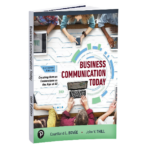 ow Business Communication Today Solves Key Instructional Challenges
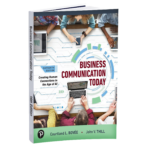
Business Communication Today offers a structured and comprehensive approach to addressing many of the challenges instructors face in business communication courses. With its practical, student-centered design, the textbook helps bridge the gap between theoretical concepts and real-world communication skills, ensuring instructors can effectively engage students and align teaching methods with modern workplace expectations.
Emphasis on Clear and Effective Communication
One of the key strengths of Business Communication Today is its focus on clarity and consistency in communication. The textbook provides:
- Detailed assignment rubrics to ensure students understand expectations and grading criteria.
- Real-world examples that illustrate best practices in business communication.
- Actionable feedback guidelines to help instructors provide specific and constructive critiques, reducing student confusion and improving learning outcomes.
By fostering transparency and structured feedback, the text helps instructors create an environment where students develop stronger communication skills and gain a deeper understanding of professional expectations.
Comprehensive Coverage of Intercultural and Global Communication
With today’s workforce becoming increasingly diverse and global, Business Communication Today equips students with the skills to navigate cross-cultural interactions effectively. The textbook includes:
- In-depth coverage of intercultural communication principles to help students understand and respect cultural differences.
- Guidance on global business etiquette, preparing students to work in international settings.
- Strategies for overcoming communication barriers, ensuring students can adapt their communication styles to different cultural contexts.
By integrating these elements into the curriculum, instructors can better prepare students for the globalized nature of modern business.
Real-World Applications for Practical Learning
Business Communication Today enhances student engagement by offering a variety of interactive and experiential learning tools, including
- Case studies that mirror real business scenarios, allowing students to analyze and respond to professional challenges.
- Simulations that provide hands-on practice with workplace communication.
- Interactive communication exercises that help students apply key concepts in practical settings.
These tools encourage active learning, ensuring students develop confidence and competence in their communication abilities.
Holistic Approach to Communication Skills
The textbook goes beyond written and verbal communication by incorporating:
- Nonverbal communication strategies, including body language, tone, and presence.
- Visual communication techniques, teaching students how to create compelling presentations, infographics, and digital media.
- Digital and social media communication, ensuring students are proficient in modern communication platforms such as Slack, Microsoft Teams, and virtual collaboration tools.
By covering multiple forms of communication, Business Communication Today prepares students to be versatile and effective communicators in a variety of business contexts.
A Dynamic and Effective Teaching Resource
Business Communication Today equips instructors with the strategies and resources needed to address common communication challenges in the classroom. By:
- Aligning instructor and student expectations through structured learning frameworks.
- Promoting cultural awareness and inclusivity.
- Providing real-world applications that build essential workplace skills.
The textbook enables instructors to create an engaging, relevant, and effective learning experience. In turn, students graduate with the communication skills needed to excel in a complex, diverse, and rapidly evolving business environment.
References
1 Jennifer Waldeck, Cristina Durante, Briana Helmuth, and Brandon Marcia, "Communication in a Changing World: Contemporary Perspectives on Business Communication Competence," Journal of Education for Business 87, no. 4 (2012): 230-240.
2 Geraldine E. Hynes and Jennifer R. Veltsos, Managerial Communication: Strategies and Applications, 7th ed. (Thousand Oaks, CA: SAGE Publications, 2018), 15-18.
3 Khaled A. Alshare, Peggy L. Lane, and Donald Miller, "Business Communication Skills in Information Systems (IS) Curricula: Perspectives of IS Educators and Students," Journal of Education for Business 86, no. 3 (2011): 186-194.
4 Paula Lentz, "MBA Students' Workplace Writing: Implications for Business Writing Pedagogy and Workplace Practice," Business Communication Quarterly 76, no. 4 (2013): 474-490.
5 Deborah Britt Roebuck, Improving Business Communication Skills (Upper Saddle River, NJ: Pearson Prentice Hall, 2006), 112-114.
6 Farrokh Moshiri and Nicholas Cardon, "The State of Business Communication Classes: A National Survey," Business and Professional Communication Quarterly 77, no. 3 (2014): 312-329.
7 William J. Wardrope, "Beyond Hofstede: Cultural Applications for Communicating with Latin American Businesses," Association for Business Communication Annual Convention, 2005.
8 Erika Darics and Veronika Koller, Language in Business, Language at Work (London: Macmillan International Higher Education, 2018), 205-207.
9 Agnieszka Zakrzewska-Bielawska, "The Strategic Dilemmas of Innovative Enterprises: Proposals for High-Technology Sectors," R&D Management 42, no. 4 (2012): 303-312.
10 Hynes and Veltsos, Managerial Communication, 45-47.
11 Yi Zhang and Jameson Hayes, "Instructing Students to Use Social Media Creatively and Responsibly for Business Communication," Business and Professional Communication Quarterly 82, no. 3 (2019): 345-366.
12 Waldeck et al., "Communication in a Changing World," 238.
13 Moshiri and Cardon, "The State of Business Communication Classes," 318.


 Business Communication Today: A Textbook Designed for Your Students’ Success