Business communication education needs modernization to prepare students for today's complex digital workplace.
In today’s fast-paced, globalized, and digitally-driven business environment, effective communication is no longer just a desirable skill—it’s essential. However, many business communication courses still cling to outdated models, leaving students unprepared for the challenges they’ll face in modern workplaces. From digital platforms and cross-cultural exchanges to crisis management and persuasive communication, critical gaps exist in current educational approaches. Addressing these gaps is not just about refining communication skills; it’s about equipping future professionals to thrive in diverse, complex, and rapidly evolving business settings.
This article explores the most significant knowledge and solution gaps in business communication education, highlighting why they matter, the consequences of leaving them unaddressed, and strategies for filling them. By closing these gaps, educators can better prepare students for real-world demands, enhancing their ability to lead, collaborate, and adapt in an ever-changing business landscape.
1. Gap: Lack of Emphasis on Digital Communication Platforms
Description: Many business communication courses focus heavily on traditional communication methods (e.g., emails, memos, and meetings) but fail to sufficiently cover newer digital platforms such as Slack, Microsoft Teams, or project management tools like Trello or Asana.
Significance: As remote and hybrid work environments become the norm, communication via these platforms is critical. Students who aren't familiar with them enter the workforce at a disadvantage.
Consequences of Ignoring: Graduates may struggle to communicate effectively in a modern workplace, leading to miscommunications and inefficiencies. Companies would need to spend more time on internal training.
Solutions:
Integrating practical lessons on using digital communication platforms into the curriculum.
Offering hands-on workshops or partnerships with software companies to give students real-world experience.
Benefits: Graduates will be more adaptable and job-ready, easing their transition into professional roles and improving workplace communication.
Examples: Companies like Google and Microsoft often collaborate with educational institutions to provide training in their platforms, ensuring students have the skills needed in today’s work environments.
2. Gap: Limited Focus on Cross-Cultural Communication Skills
Description: Many courses address communication skills within a single cultural context, often neglecting the complexities of cross-cultural communication in global business.
Significance: As globalization increases, professionals regularly interact with clients, colleagues, and partners from different cultural backgrounds. Understanding diverse communication norms is essential for success in international business.
Consequences of Ignoring: Failing to address cultural differences can lead to misinterpretations, loss of business, or damaged relationships, especially in multinational organizations.
Solutions:
Incorporating intercultural communication modules that explore key cultural dimensions (e.g., Hofstede’s Cultural Dimensions Theory).
Encouraging partnerships with international students and professionals to provide exposure to global communication practices.
Benefits: Students will be better equipped to handle global business challenges, enhancing their employability in multinational firms.
Examples: Universities with strong international programs often include global communication scenarios and case studies, such as Thunderbird School of Global Management.
3. Gap: Insufficient Training on Visual Communication and Data Storytelling
Description: Business communication courses often prioritize written and verbal skills but may underemphasize the importance of visual communication and data storytelling—both key in today’s data-driven business environment.
Significance: Visual literacy, including the ability to interpret and create charts, infographics, and other data visualizations, is essential in conveying complex information succinctly.
Consequences of Ignoring: Students who are not trained in visual communication may struggle to effectively present data to stakeholders, leading to misunderstandings and poor decision-making.
Solutions:
Incorporate visual communication and data visualization tools (e.g., Power BI, Tableau) into assignments.
Offer design thinking workshops focused on turning data into engaging visual narratives.
Benefits: Students will be more effective in making data-driven presentations, giving them a competitive edge in careers that demand analytical and presentation skills.
Examples: Stanford’s d.school promotes the use of design thinking in communication, and companies like Airbnb and Spotify have adopted similar methodologies to convey complex information.
4. Gap: Overreliance on Traditional Grading Methods
Description: Many business communication courses rely on traditional exams and assignments as the primary assessment methods, which often do not reflect real-world business communication tasks.
Significance: These methods can fail to assess a student's ability to effectively communicate in professional scenarios, such as delivering presentations, negotiating, or writing persuasive reports.
Consequences of Ignoring: Students may excel academically without acquiring practical communication skills, leading to performance gaps when they enter the workforce.
Solutions:
Adopting alternative assessments such as simulations, peer feedback, and live presentations.
Collaborating with industry partners to provide students with real-world business communication challenges.
Benefits: This approach will foster a more accurate evaluation of students’ abilities, preparing them for the practical demands of business communication.
Examples: Many instructors use case studies and simulations to assess students’ communication and decision-making abilities in business contexts.
5. Gap: Inadequate Focus on Active Listening Skills
Description: While most courses emphasize delivering effective messages, they may not adequately teach active listening skills, which are crucial for understanding client needs, resolving conflicts, and fostering collaboration.
Significance: In business, listening is just as important as speaking. Poor listening skills can result in misunderstandings, loss of trust, and lower productivity in team settings.
Consequences of Ignoring: Graduates may lack the ability to actively listen and respond to colleagues or clients, which could lead to miscommunication, missed opportunities, and a lack of trust in professional relationships.
Solutions:
Introduce active listening exercises, role-playing scenarios, and reflective listening techniques into the curriculum.
Partner with industries that emphasize customer service to provide real-world examples and feedback on listening skills.
Benefits: Students will develop better interpersonal skills, making them more effective communicators in client interactions, team collaborations, and leadership roles.

Examples: Customer-centric companies like Zappos have developed strong active listening programs that have significantly improved customer satisfaction and internal communication.
Filling these gaps will provide a more well-rounded education in business communication, equipping students with the modern, practical skills needed to succeed in today’s global and digital business environments.
6. Gap: Limited Emphasis on Crisis Communication
Description: Business communication courses often do not focus sufficiently on crisis communication strategies, which are essential when navigating corporate crises, public relations mishaps, or internal organizational emergencies.
Significance: In times of crisis, the ability to communicate effectively can make the difference between mitigating damage and escalating problems. Lack of preparation in this area leaves students under-equipped for real-world business crises.
Consequences of Ignoring: Inadequate crisis communication can result in reputational damage, loss of customer trust, and financial fallout for companies. Graduates may not be prepared to handle such high-pressure situations.
Solutions:
Include crisis communication modules and case studies of corporate crises (e.g., BP’s oil spill or Volkswagen’s emissions scandal) in the curriculum.
Simulate crisis scenarios for students to practice crafting timely and transparent responses.
Benefits: Graduates will be equipped with the skills needed to manage and diffuse crises, making them valuable assets in maintaining a company’s reputation and operational stability.
Examples: Public relations firms and MBA programs often run crisis communication workshops that help future leaders prepare for potential business emergencies.
7. Gap: Insufficient Development of Persuasive Communication Skills
Description: While business communication courses often teach basic writing and presentation skills, they may not dive deeply into the art of persuasion, which is crucial for sales, negotiation, and leadership roles.
Significance: Persuasive communication is essential in influencing stakeholders, winning contracts, or motivating teams. Without mastery of this skill, students may struggle to advocate for their ideas or negotiate effectively in business settings.
Consequences of Ignoring: Poor persuasion skills could result in missed opportunities, failed negotiations, and reduced leadership effectiveness in the workplace. Graduates may find it challenging to gain buy-in for their ideas or lead teams.
Solutions:
Incorporate exercises that focus on argumentation, negotiation, and rhetorical strategies.
Introduce guest speakers or workshops from successful leaders or negotiators to teach practical persuasive techniques.
Benefits: Strengthening persuasion skills will enable graduates to effectively influence decision-making processes, making them more effective in leadership and client-facing roles.
Examples: Leadership development programs, such as those at Dale Carnegie Training, focus on building persuasive communication skills that drive action and results.
8. Gap: Minimal Use of Real-World, Industry-Specific Case Studies
Description: Many business communication courses rely on generic case studies or hypothetical scenarios, rather than providing students with real-world, industry-specific challenges that closely mirror actual workplace situations.
Significance: Real-world case studies help students understand the nuances and complexities of communication in specific industries, such as healthcare, finance, or technology. A lack of this exposure can leave students unprepared for industry-specific communication demands.
Consequences of Ignoring: Graduates may struggle to adapt their communication style to specific industry contexts, leading to misaligned messaging or inefficiencies in their professional roles.
Solutions:
Incorporate a diverse range of real-world case studies from various industries into the curriculum.
Collaborate with industry professionals to design assignments that reflect the communication challenges in different sectors.
Benefits: Students will develop a more adaptable communication skill set, making them more competitive in industry-specific roles.
Examples: Programs like Harvard Business School’s case method involve real-world scenarios that force students to navigate the complexities of different industries and communication challenges.
9. Gap: Overlooking the Importance of Emotional Intelligence (EQ) in Communication
Description: While technical communication skills are often emphasized, many business communication courses neglect the role of emotional intelligence (EQ) in fostering effective interpersonal interactions, team dynamics, and leadership.
Significance: Emotional intelligence—understanding and managing one’s emotions as well as empathizing with others—plays a critical role in communication, especially in leadership and customer-facing roles. Without it, even technically proficient communicators may fail to connect with others.
Consequences of Ignoring: A lack of emotional intelligence can lead to conflicts, misunderstandings, and reduced collaboration in team environments. Graduates may struggle with leadership roles that require empathy, conflict resolution, and motivation.
Solutions:
Integrate emotional intelligence training into the curriculum, focusing on self-awareness, empathy, and interpersonal communication.
Use role-playing and feedback exercises to help students practice EQ-driven communication.
Benefits: Graduates with strong emotional intelligence will be better equipped to navigate complex interpersonal dynamics in the workplace, fostering collaboration, conflict resolution, and team leadership.
Examples: Many leadership programs, such as those at Yale’s Center for Emotional Intelligence, offer targeted training to help leaders and professionals strengthen their EQ for better communication outcomes.
Addressing the key gaps in business communication education is crucial to preparing students for the realities of today’s dynamic workplace. By integrating more practical, relevant, and forward-thinking approaches, educators can equip future professionals with the tools they need to succeed in diverse, global environments.
Whether through adopting digital platforms, honing cross-cultural skills, or emphasizing emotional intelligence, filling these gaps will not only enhance individual career prospects but also strengthen the effectiveness of communication across industries. The time to bridge these divides is now, ensuring that tomorrow's leaders are truly ready for the challenges ahead.

How Business Communication Today Fills Critical Gaps in Business Communication Education
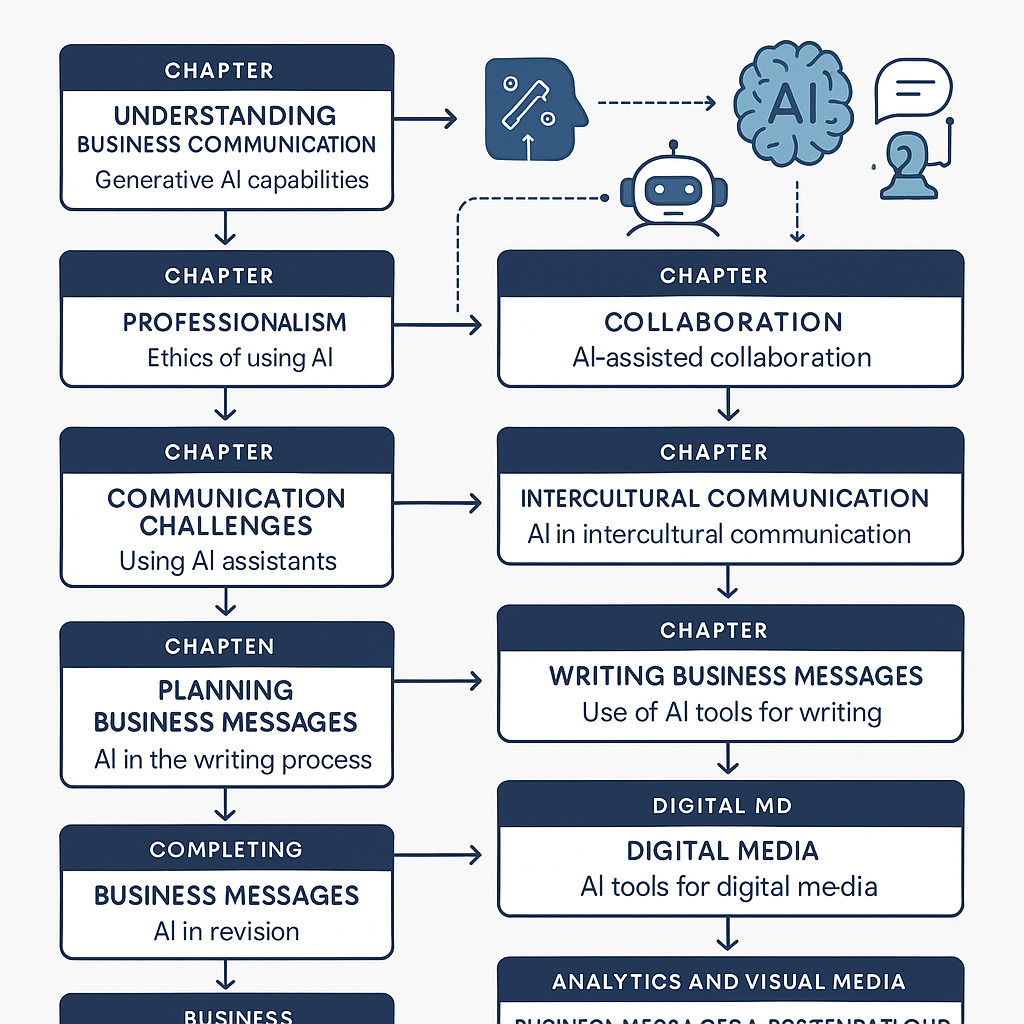
Business Communication Today, 16th Edition aligns closely with the key concepts and solutions outlined in this article, ensuring that students develop the skills necessary to thrive in modern business environments. The textbook addresses many of the gaps highlighted, providing a comprehensive approach to teaching business communication in a digital, globalized, and fast-paced world.
One of the major gaps discussed is the lack of emphasis on digital communication platforms. The textbook integrates real-world applications of tools such as Slack, Microsoft Teams, and Asana, demonstrating their relevance in contemporary business settings. It also provides guidance on adapting communication strategies to remote and hybrid work environments, reinforcing the importance of digital collaboration.
Cross-cultural communication is another area where the book excels. It emphasizes the role of cultural intelligence in business interactions, offering strategies for navigating diverse workplace environments. Students gain insights into effective global communication practices, preparing them for multinational business challenges.
The textbook also prioritizes visual communication and data storytelling, addressing the increasing demand for professionals who can present information effectively. It introduces students to tools like infographics, data visualization, and persuasive presentations, helping them develop essential analytical and design skills.
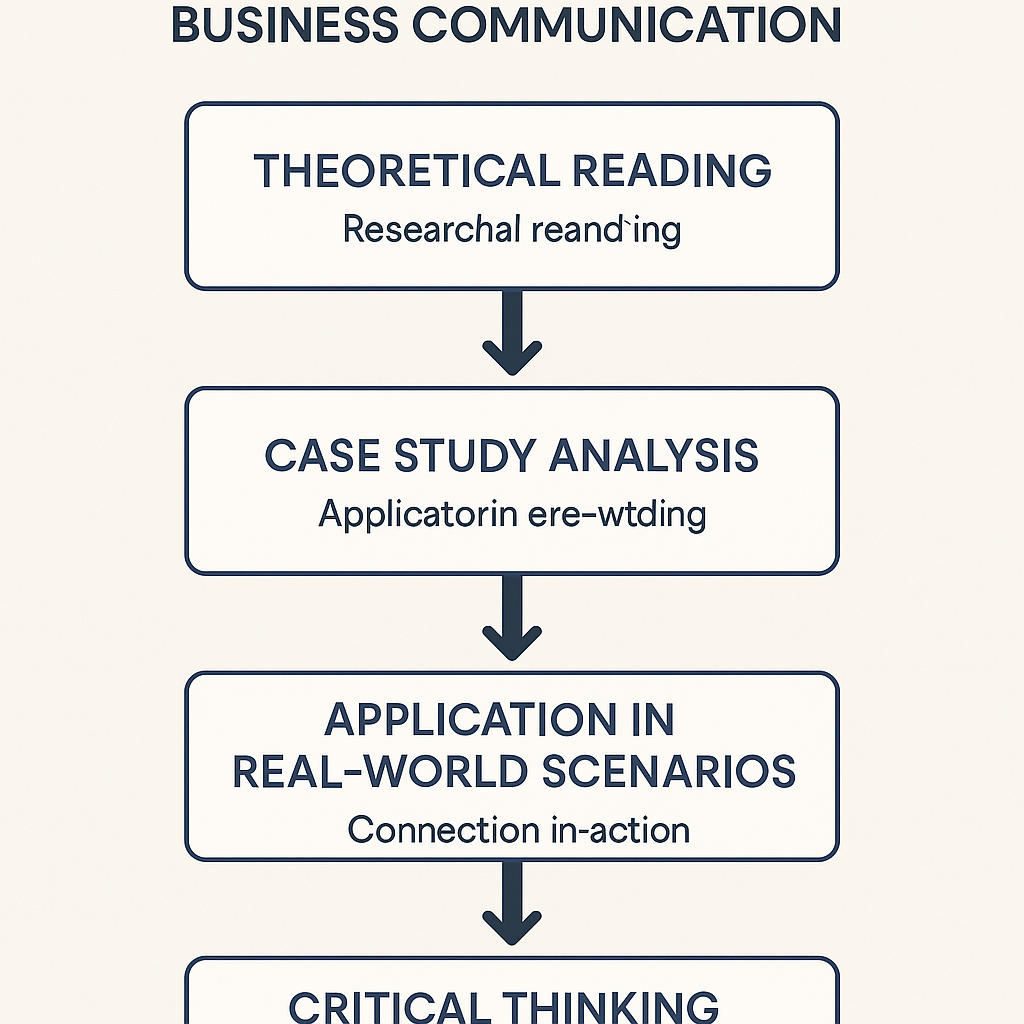
Business Communication Today advocates for active learning through real-world case studies, simulations, and peer feedback exercises. This hands-on approach ensures that students engage with communication challenges in meaningful ways, bridging the gap between theory and practice. By integrating these critical elements, the textbook provides a forward-thinking framework that equips students with the essential skills for success in today’s business world.