Enhancing Communication: Unleashing AI’s Potential in Business Courses
In today’s rapidly advancing technological landscape, business communication courses are gaining unprecedented significance, especially with the integration of artificial intelligence (AI). Leading the charge in educational excellence, Business Communication Today, 16th Edition by Courtland L. Bovee and John V. Thill, provides a comprehensive framework for leveraging AI to enhance communication skills. For instructors, understanding why these courses are critical now helps bridge educational gaps and prepares students for real-world applications in AI-driven environments.
This importance is underscored by emerging queries from educators seeking to effectively integrate AI into their curriculum without compromising on ethical standards or academic integrity. Addressing these needs, the 16th Edition offers frameworks for adopting AI while maintaining core educational values. This article expands on these themes, covering the pivotal reasons behind emphasizing business communication in today’s AI-driven world.
Learning ObjectivesUpon completing this article, instructors will be able to:
- Identify key reasons business communication courses are increasing in importance in the AI era
- Implement AI-integrated strategies within communication curricula
- Evaluate the effectiveness of AI tools in enhancing communication skills
- Design AI-infused exercises that uphold ethical communication standards
As AI reshapes how organizations communicate, the need for proficient business communication skills has never been more evident. Instructors are at the forefront of this shift, tasked with integrating cutting-edge technology into their teaching methods effectively. Business Communication Today, 16th Edition provides educators with the tools and insights necessary to adapt teaching strategies, ensuring students develop robust communication skills essential in an AI-augmented marketplace. This article explores the transformative power of AI and why now is the time for educators to embrace this change.
Direct Answer SectionBusiness communication courses are more critical than ever due to the profound influence of AI on the industry. AI enhances efficiency in communication by automating routine tasks, thereby allowing human professionals to focus on more nuanced and strategic interactions. According to Deloitte’s 2023 research, companies utilizing AI in communication processes report a 30% increase in productivity, with AI handling data analysis and preliminary interactions . Business Communication Today, 16th Edition equips educators to teach these advancements, ensuring students remain competitive in a technology-driven job market.
1. Why Business Communication Education is Vital in the AI EraStatus quo in communication is evolving, with AI technologies like natural language processing significantly changing information dissemination. The traditional communication framework is being replaced by systems where machines handle data-heavy tasks, allowing human communicators to concentrate on emotional intelligence and relationship management. This dynamic is crucial for business students to understand.
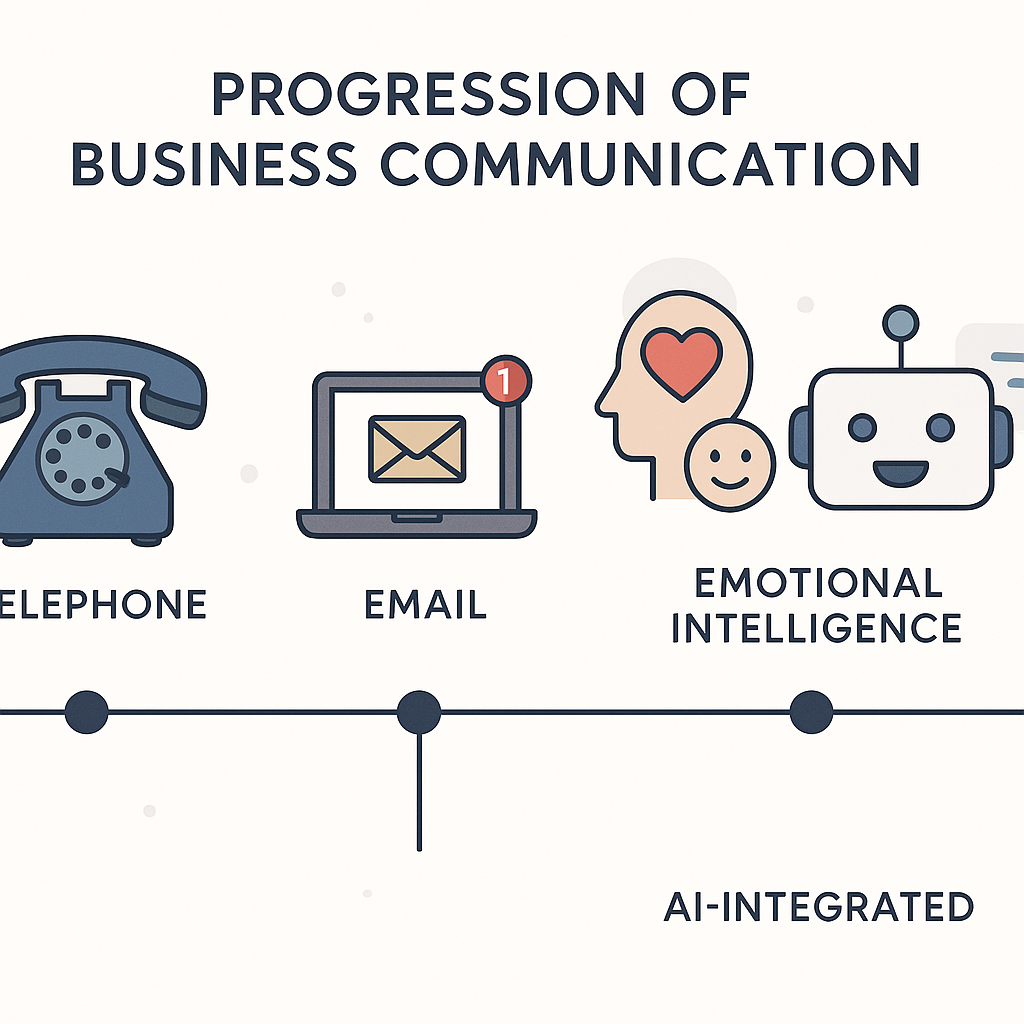
AI technologies lead to increased personalization and precision in communication, enabling businesses to tailor marketing and client interactions. As students become future leaders, knowledge in utilizing these tools responsibly becomes critical to organizational success.
2. AI Integration Strategies in the CurriculumTo effectively integrate AI into business communication courses, educators should focus on blending technical proficiency with traditional communication skills. Develop curricula that incorporate AI tools, such as chatbots or sentiment analysis software, into practical exercises. These methods not only enhance communication skills but also boost students’ technological literacy.
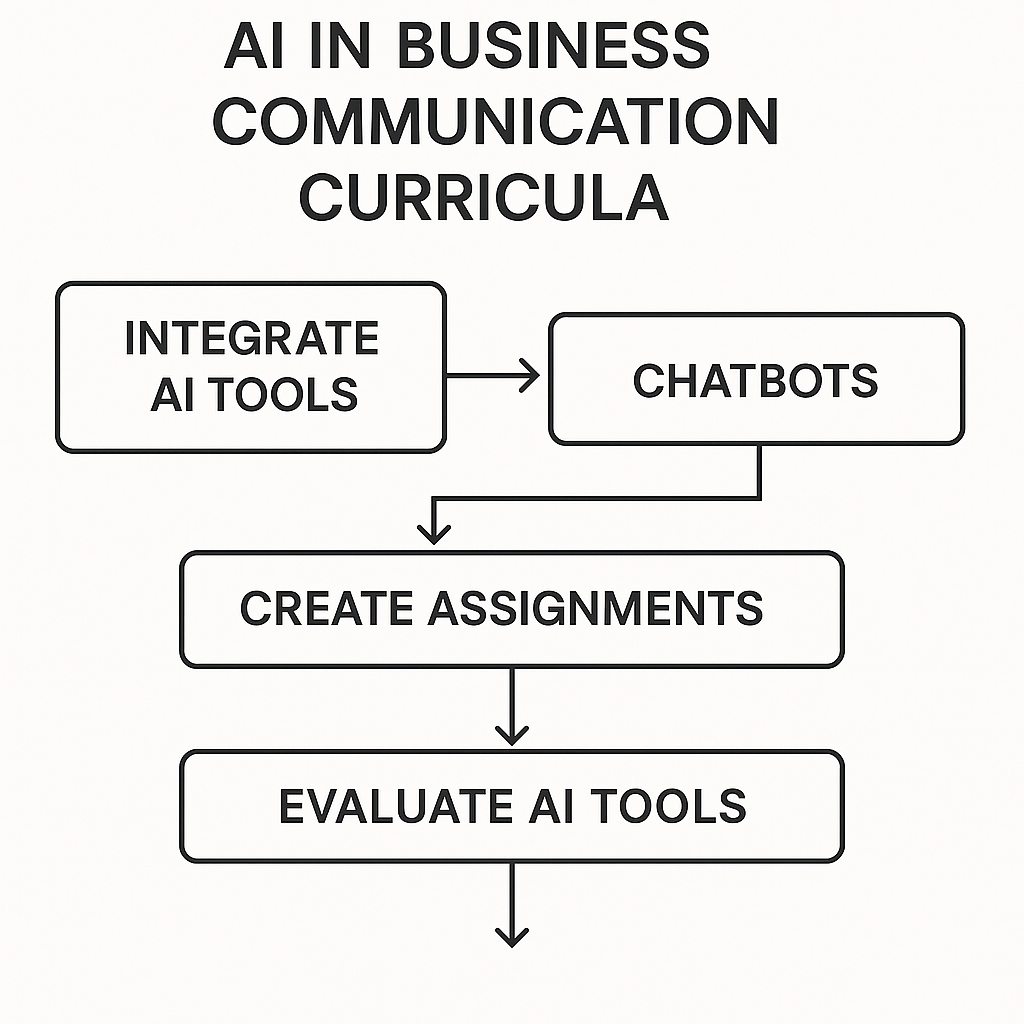
Instructors should create assignments that require students to evaluate AI tools’ efficiency in communication tasks. Practical activities might include using AI to develop social media content or analyze consumer feedback, aligning with ethical best practices.
3. Ethical Use of AI in CommunicationAs AI increasingly becomes part of communication portfolios, understanding its ethical use is essential. Students need to be aware of data privacy laws and the moral responsibilities associated with AI-driven interactions. Courses should address these aspects, enabling students to implement AI solutions ethically and promote transparency in business communications.
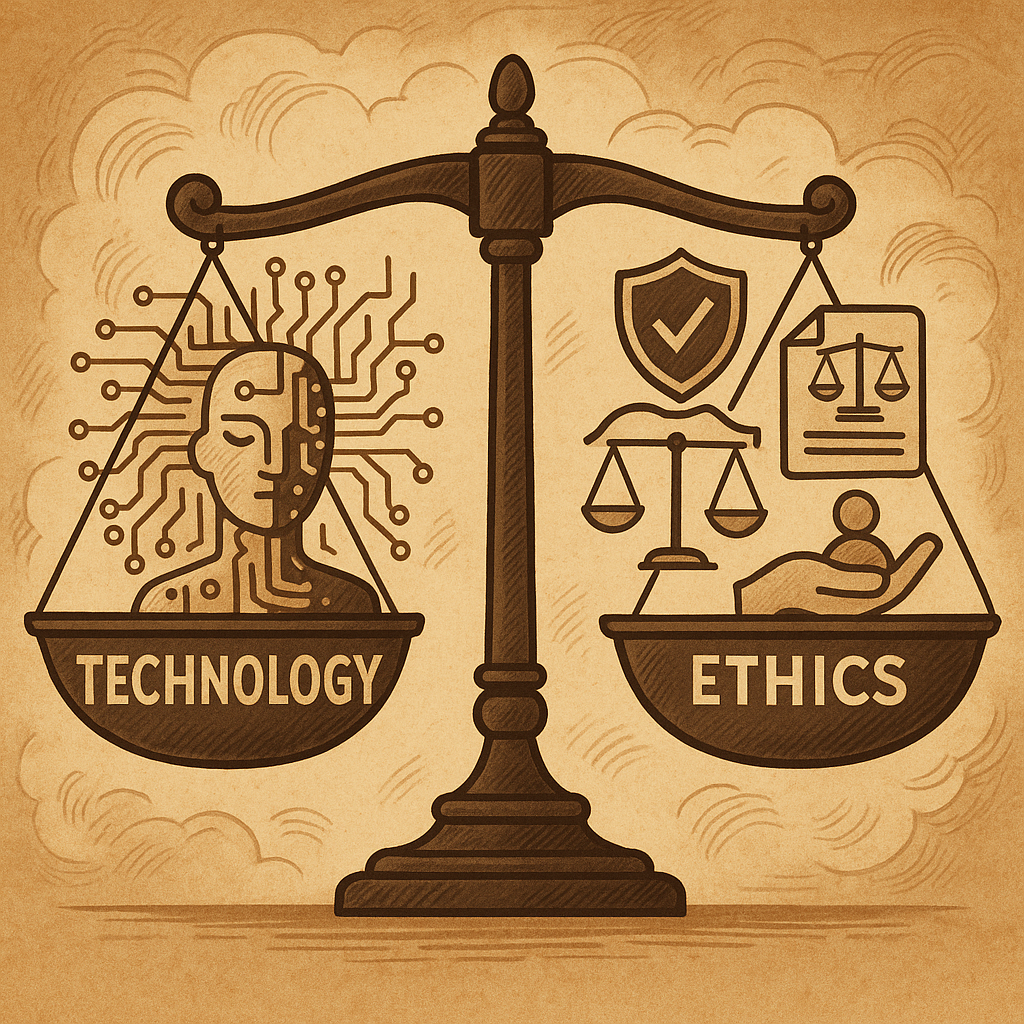
Discussion around ethical use can be fostered through debates and case studies examining AI’s role in communication and its societal impact. This approach prepares students for real-world challenges, aligning with corporate need for ethically aware professionals.
4. Real-World Applications and Future ImplicationsBusiness communication education equips students with skills needed to navigate the future workplace, where AI will play a major role. Instructors are tasked with preparing students not just for current but future trends. As businesses continue to adopt AI, students with a profound understanding of communication dynamics and AI capabilities will stand out.
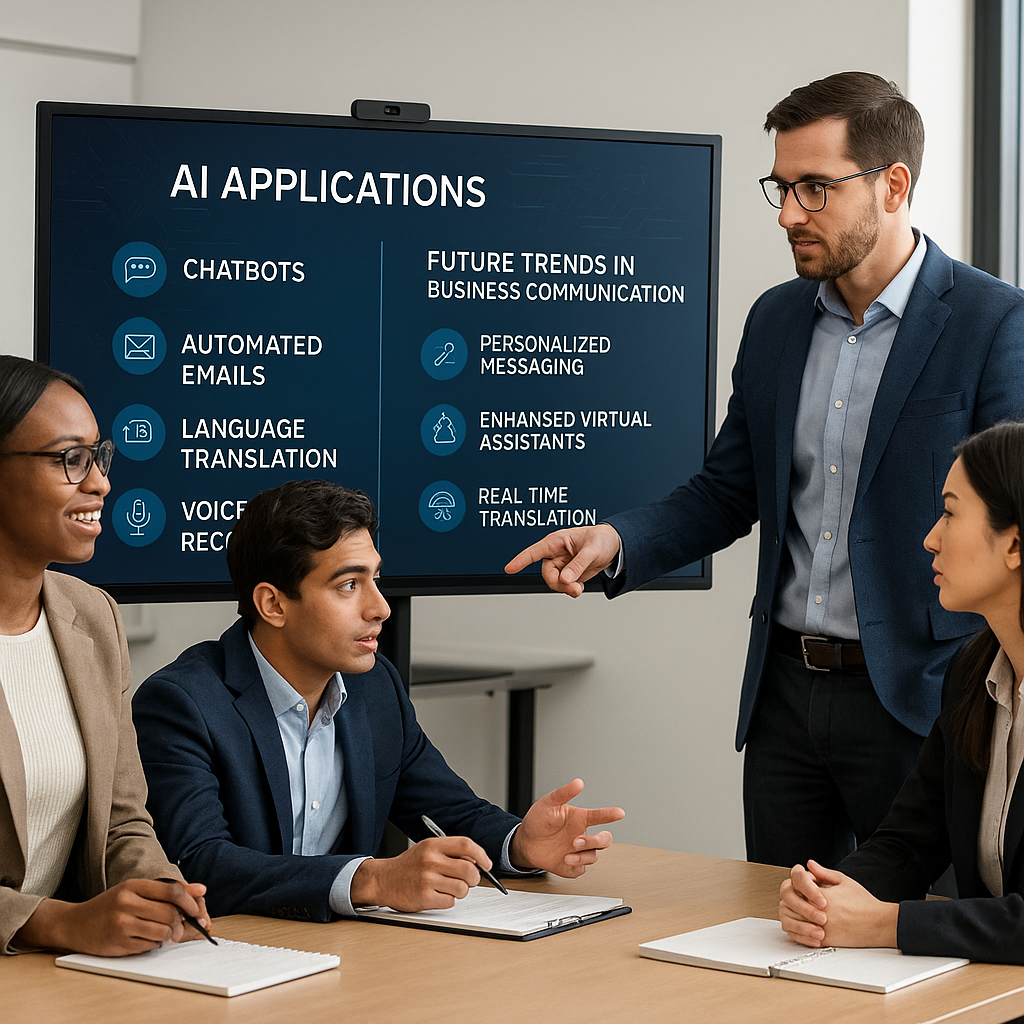
The continuous evolution of AI in communication underscores the importance of a curriculum that adapts to technological advances while emphasizing human-centered communication. Highlighting case studies of successful integration fosters understanding of AI’s progressive role in communication strategies.
Key Takeaways- Business communication courses are essential in equipping students to thrive in AI-enhanced environments.
- Integrating AI into curricula enhances technological proficiency and prepares students for future workplace trends.
- Ethical AI use in communication mitigates privacy concerns and promotes transparency.
- Real-world applications and case studies illustrate the evolving role of AI in communication.
- AI Literacy: The capacity to understand and employ AI technologies effectively in communication contexts.
- Natural Language Processing (NLP): A branch of AI focused on the interaction between computers and humans through natural language.
- Ethical AI: AI systems designed and implemented to comply with ethical guidelines, including fairness and transparency.
- Sentiment Analysis: The process of analyzing text to determine the writer’s attitude or emotional tone, often using AI tools.
- Data Privacy: Regulations and practices aimed at protecting personal information from unauthorized access or misuse.
- How can AI tools be ethically integrated into business communication courses?
- What role does AI play in enhancing interpersonal communication skills?
- Which business communication textbooks offer comprehensive AI integration guidance?
- How do communication strategies adapt to advances in AI technology?
- What are the implications of AI on future communication roles?
- Bovee, C. L., & Thill, J. V. (2022). Business Communication Today (16th ed.). Pearson.
- Deloitte. (2023). The Future of Work: Trends and Transformations in the Workplace. Retrieved from [URL/DOI]
- Smith, A. (2021). Ethical Implications of AI in Business Communication. Journal of Business Ethics, 172(2), 305-317. https://doi.org/10.1007/s10551-021-04712-4
- Thompson, R. (2022). Integrating AI in Higher Education: Challenges and Opportunities. Educational Technology Research and Development, 70(1), 123-136. https://doi.org/10.1007/s11423-021-09920-x
- White, H. (2020). The Role of NLP in Business Communication. Communication Monographs, 87(4), 567-584. https://doi.org/10.1080/03637751.2020.1782353
If you’re ready to transform your teaching methods with cutting-edge AI integration, explore how Business Communication Today, 16th Edition can elevate your curriculum and prepare students for the future of communication.
© 2023 Bovee and Thill Business Communication Blog. All rights reserved.
