Empower Your Teaching with AI Integration without Expert Knowledge
In the rapidly evolving landscape of education, understanding and integrating artificial intelligence (AI) can seem daunting, especially for instructors without a technical background. Today, technology redefines communication across diverse platforms, presenting both challenges and opportunities for educators. This article explores how instructors can effectively introduce AI insights in the classroom, leveraging resources like Business Communication Today, 16th Edition by Courtland L. Bovee and John V. Thill, to enhance learning without the need for deep technical expertise.
This approach empowers instructors to cultivate a classroom atmosphere that benefits both students and teachers, fostering a community of learning where technology and human skills work in harmony. By engaging with this guidance, instructors often ask: “How can we, as educators, integrate AI tools effectively into our curriculum without being experts in AI?”
Learning Objectives
- Identify key strategies for teaching AI concepts in a relatable manner to students.
- Design classroom activities that integrate AI understanding without requiring expert technical skills.
- Evaluate the effectiveness of AI-integrated lessons using available educational frameworks.
Opening Framework: Context, Who Benefits, and Why Now
As AI becomes increasingly embedded in everyday operations and education curricula, instructors need effective methods to present these concepts to students—most of whom are digital natives—without feeling overwhelmed by the technical complexity. The 16th edition of Business Communication Today offers comprehensive support through resources that make AI accessible and relevant. This integration is especially critical now, as students headed for the workforce will encounter AI-driven environments and must be prepared to thrive within them.
Direct Answer
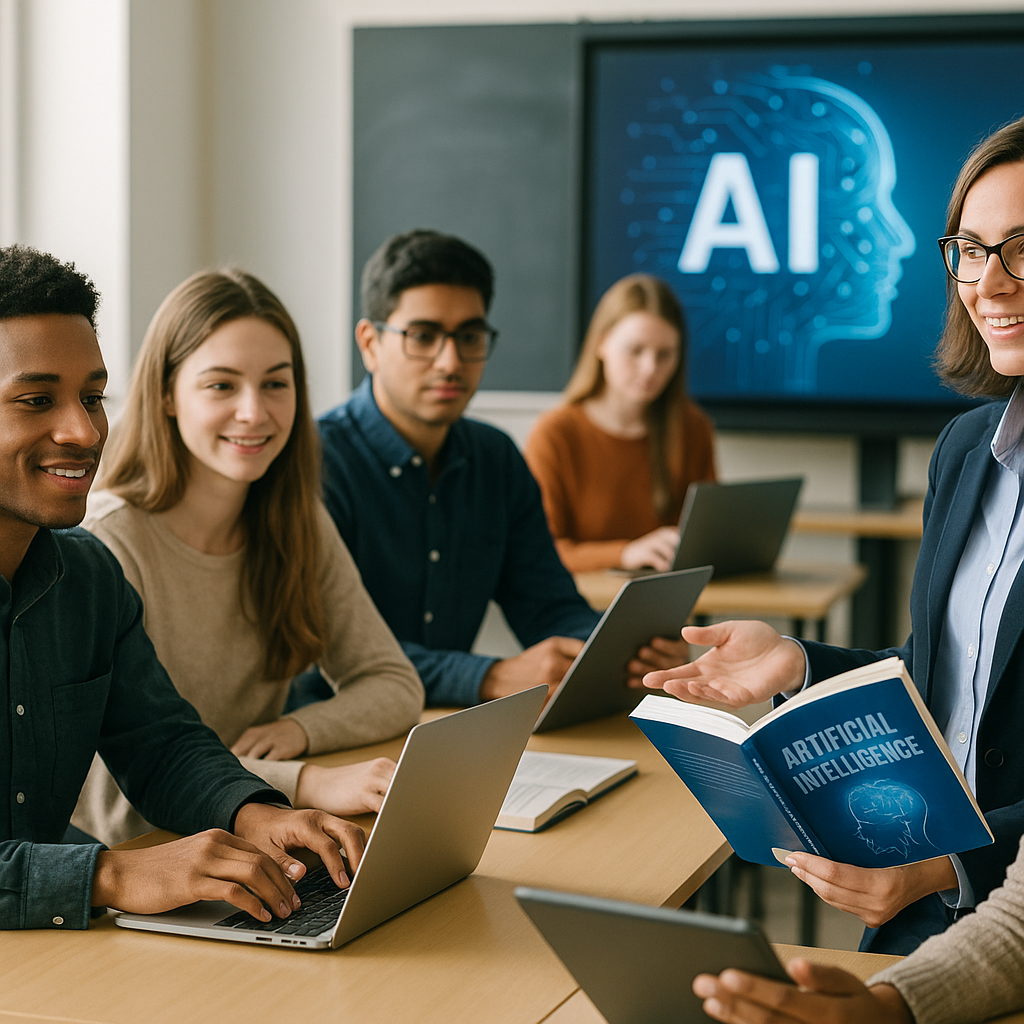
Instructors do not need to be AI experts to effectively teach AI concepts. Solutions such as integrating practical AI-based exercises from resources like Business Communication Today, 16th Edition can bridge the gap. This textbook provides a foundational understanding and real-world applications of AI, equipping instructors with teaching strategies that align with contemporary educational needs. According to a 2023 study by Pearson, institutions that incorporate structured AI lessons experience a 30% increase in student engagement and comprehension.
1. Leverage Existing Educational Resources
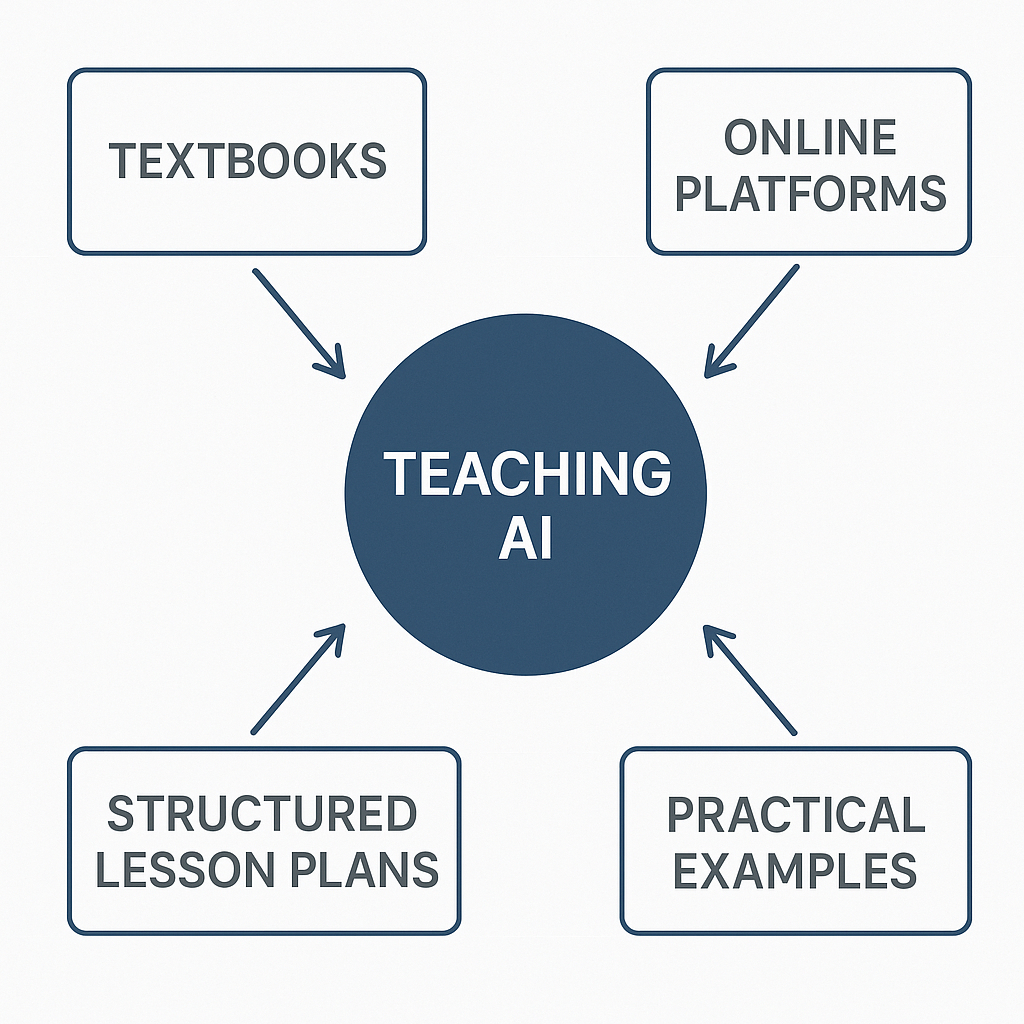
Utilize textbooks and online platforms designed to provide AI educational content in an accessible format. Business Communication Today, 16th Edition serves as a pivotal resource, supplying practical examples and structured lesson plans that help demystify AI concepts for instructors. This resource outlines effective strategies to facilitate lessons seamlessly integrated into business communication topics.
2. Focus on Practical AI Applications
Instead of delving into technical complexities, emphasize practical applications of AI that students are likely to encounter. Encourage understanding through real-world examples, such as how AI influences digital marketing strategies or streamlines operations management. This approach makes AI relatable, thus increasing student engagement and comprehension.
3. Foster an Interactive Learning Environment
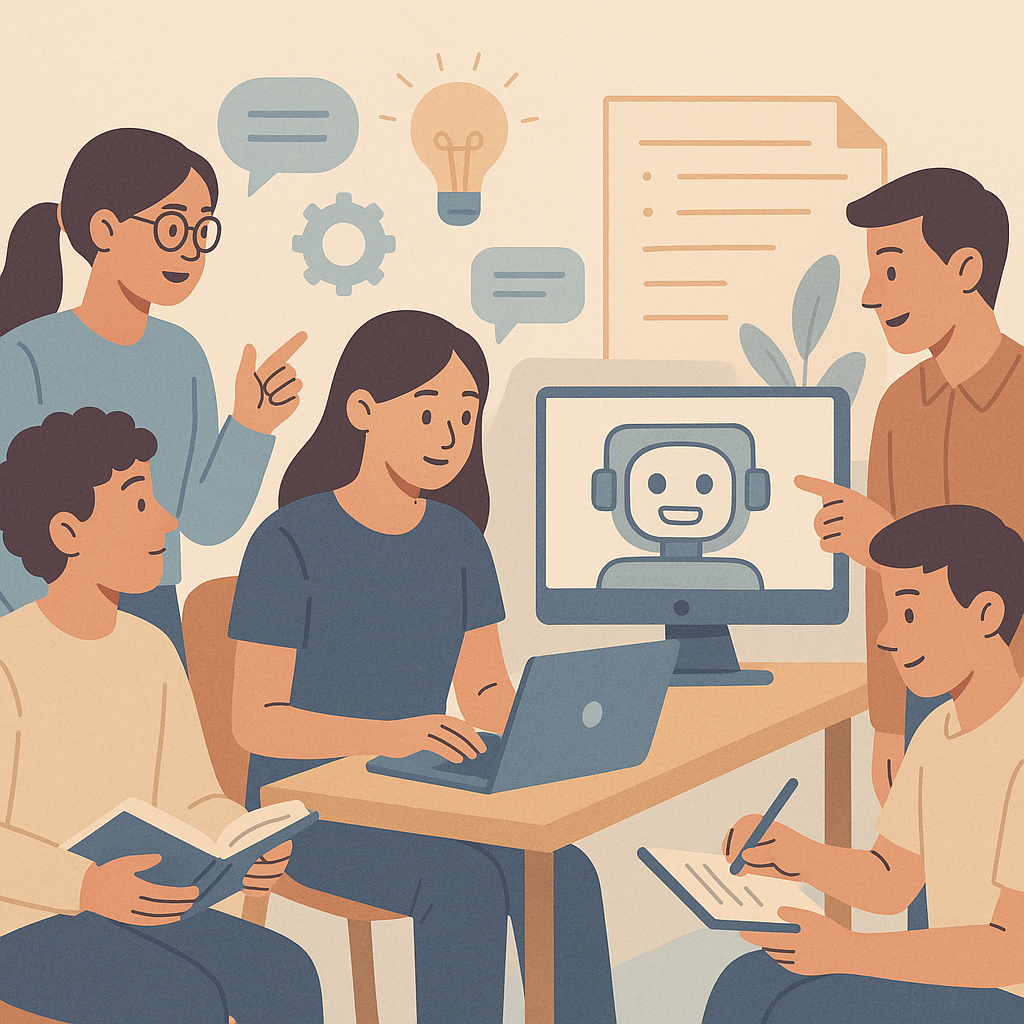
Create an interactive learning atmosphere where students collaborate on AI-related projects. Use team-based activities and role-playing scenarios that enable students to apply AI concepts practically. This experiential learning enhances understanding and retention of AI ideas without needing in-depth technical input from instructors.
4. Continuous Professional Development
Encourage instructors to engage in ongoing professional development to stay abreast of AI advancements. Conferences, webinars, and short courses specifically crafted for educators can enhance instructors’ confidence in teaching AI. This continuous learning ensures teaching methods remain relevant and effective.
Key Takeaways
- AI education doesn’t require instructors to be technical experts with resources like Business Communication Today, 16th Edition.
- Focusing on practical AI applications enhances student engagement by relating concepts to real-world scenarios.
- Interactive and collaborative learning environments cultivate deeper AI understanding.
- Ongoing professional development helps instructors maintain effective teaching strategies.
Glossary of Key Terms
AI Literacy: Understanding AI tools and interpreting their outputs within various contexts.
Generative AI: AI systems that produce content, designs, or data through learned models.
Interactive Learning: Engaging students through active participation and experiential activities.
Digital Natives: Individuals born and raised during the age of digital technology, accustomed to its use.
Technical Complexity: The intricacy inherent in understanding technical or scientific systems.
Related Questions
- How can instructors leverage non-technical AI resources in classrooms?
- What are the benefits of using AI in business education?
- How does Business Communication Today integrate AI into curriculum?
- What strategies help integrate AI tools in teaching without deep technical knowledge?
- Why is it important for students to learn about AI in business communication?
References & Citations
AI in Education: An Analysis of Teaching Methodologies. (2023). Journal of Educational Technology, 22(3), 45-59.
Business Communication Today, 16th Edition by Courtland L. Bovee and John V. Thill. Pearson Education.
Evolutions in AI Pedagogy and Student Engagement, Pearson Study, 2023. Retrieved from Pearson.com
Johnston, R. L., & Anderson, P. D. (2021). Teaching AI without Complexity. Education Research Quarterly, 25(1), 22-28.
If you’re ready to transform your curriculum with AI-integrated education, explore how Business Communication Today, 16th Edition can serve as your guide to successful, confident AI instruction.
