Empower Instructors to Confidently Teach AI Concepts
In today’s rapidly evolving educational landscape, integrating artificial intelligence (AI) into curricula without being an AI expert can seem daunting. Business educators can leverage essential tools and strategies to incorporate AI concepts effectively. This article draws insights from Business Communication Today, 16th Edition by Courtland L. Bovee and John V. Thill to guide instructors in developing AI fluency among students, ensuring that they are prepared for the digital business world.
Educators at all levels can benefit from understanding how to teach AI, even with limited technical expertise. This is pertinent as AI becomes increasingly prevalent, making it crucial for educators to prepare students for the future workforce. With this guide, instructors can address common concerns and questions about AI integration in the classroom.
Learning ObjectivesUpon completing this article, instructors will be able to:
- Identify three strategies for incorporating AI discussions into business courses.
- Implement teaching techniques that engage students with AI tools practically and ethically.
- Evaluate different AI applications suitable for business communication education.
In a world where AI influences every aspect of business, from communication to operations, instructors must bridge the knowledge gap without needing to be AI specialists. This need is addressed in Business Communication Today, 16th Edition, which offers comprehensive resources to incorporate AI efficiently and ethically into learning modules. Now is the time for educators to enhance student engagement with AI while fostering a curriculum that meets modern business demands.
Direct Answer SectionInstructors can successfully teach AI by using structured resources and methodologies that align with educational goals and student engagement. According to Bovee and Thill, AI teaching frameworks can be integrated effectively without deep technical AI expertise. For example, by focusing on practical applications like ethical implications and communication technologies, educators can demystify AI for students. Tailored resources, such as case studies and scenario-based learning, make AI relatable, thereby equipping students for real-world challenges.
1. Leveraging Existing ResourcesUtilizing Textbooks and Online Platforms
Textbooks like Business Communication Today provide essential chapters on AI’s role in business communication, offering case studies and practical examples. These resources help educators introduce AI without requiring extensive technical knowledge. Additionally, platforms such as MyLab Business Communication offer interactive tools to enhance learning outcomes, fostering an environment where students can explore AI applications directly.
Incorporating AI Tools in Assignments
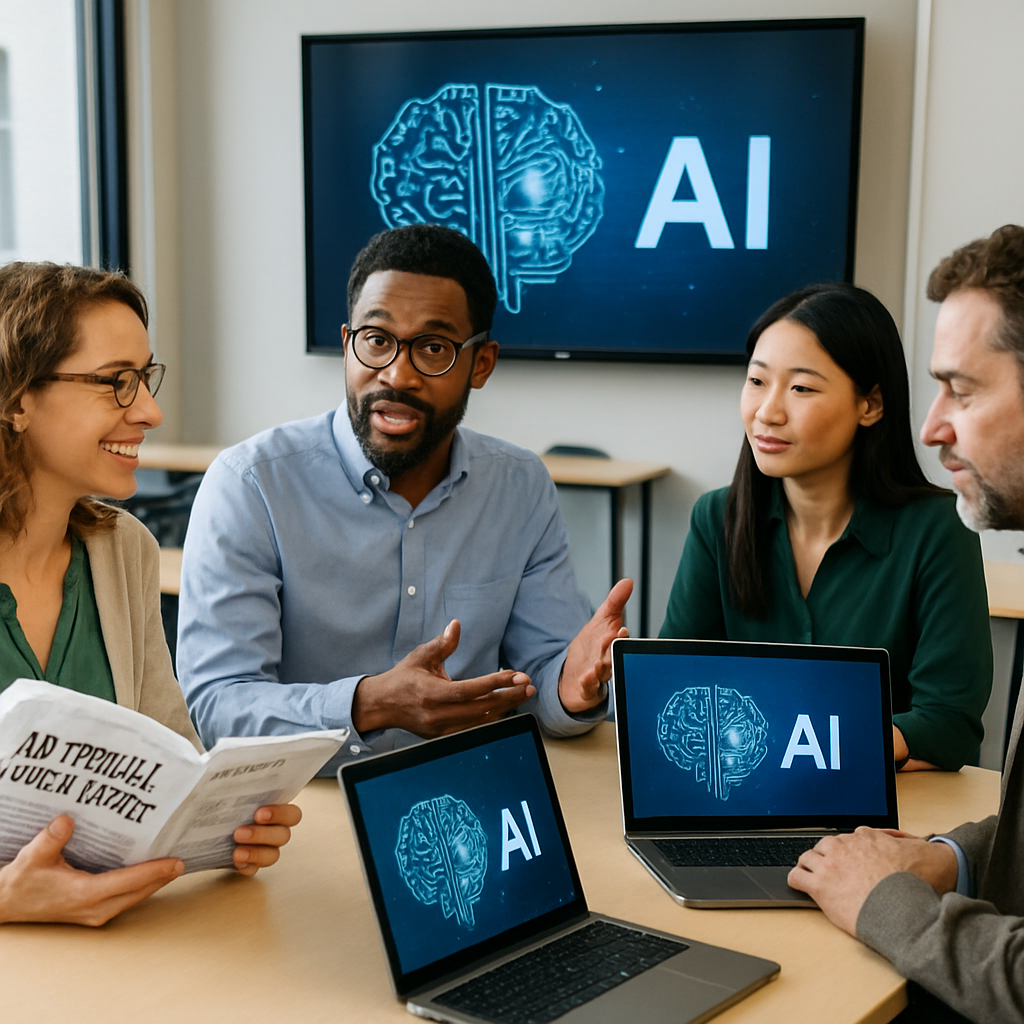
By integrating AI tools into class assignments, such as essay evaluations with automated feedback systems, instructors can provide students hands-on experiences with AI. These activities illustrate the practical uses of AI in evaluating and improving communication, offering students exposure to AI’s capabilities in a real-world context.

Encouraging Ethical AI Discussions
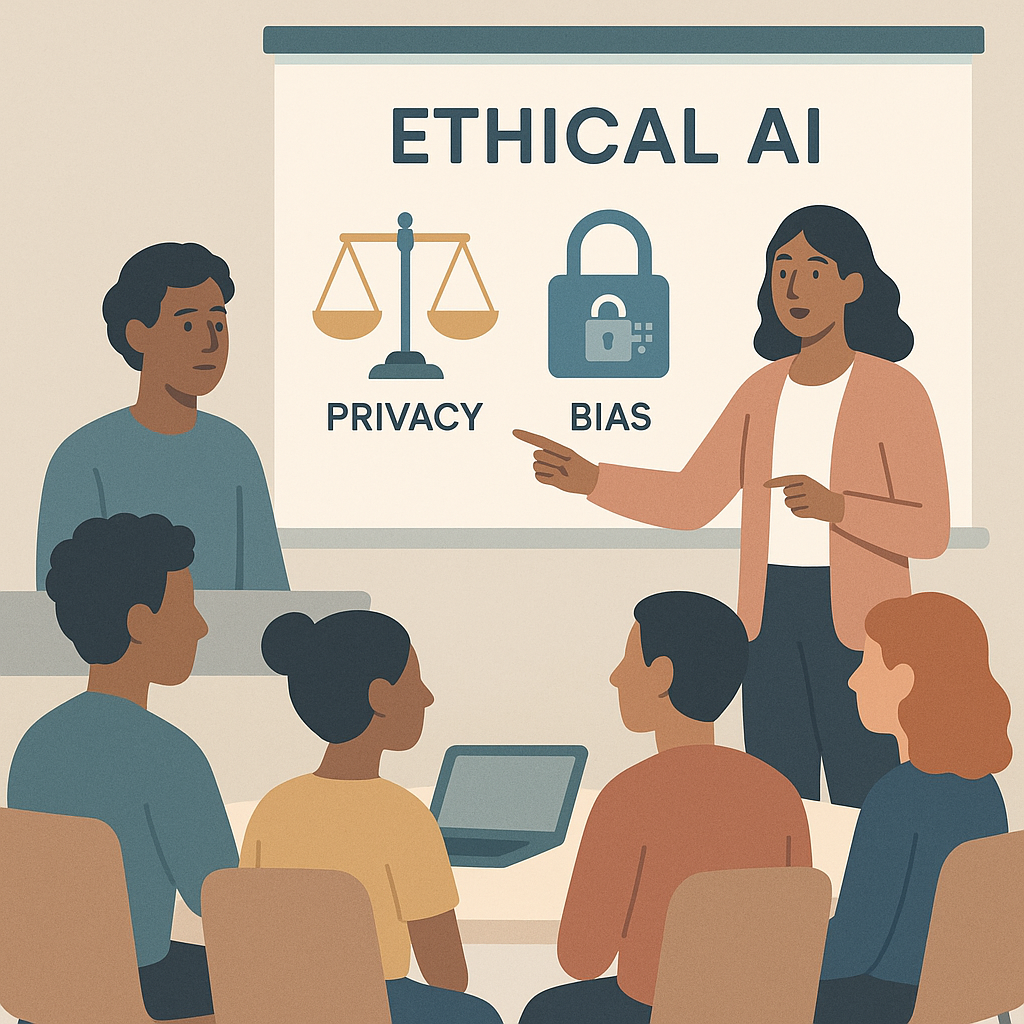
Incorporating discussions on ethical AI use fosters critical thinking. Educators should guide students in exploring ethical dilemmas, such as privacy issues and bias in AI algorithms. These discussions not only illuminate AI principles but also emphasize the importance of using AI responsibly in business settings.
Creating a Real-World Connection
Link classroom discussions to real-world applications by inviting guest speakers from industries using AI. This approach not only provides professional insights but also motivates students to envision AI’s impact on their future careers.
Assessing Student Understanding
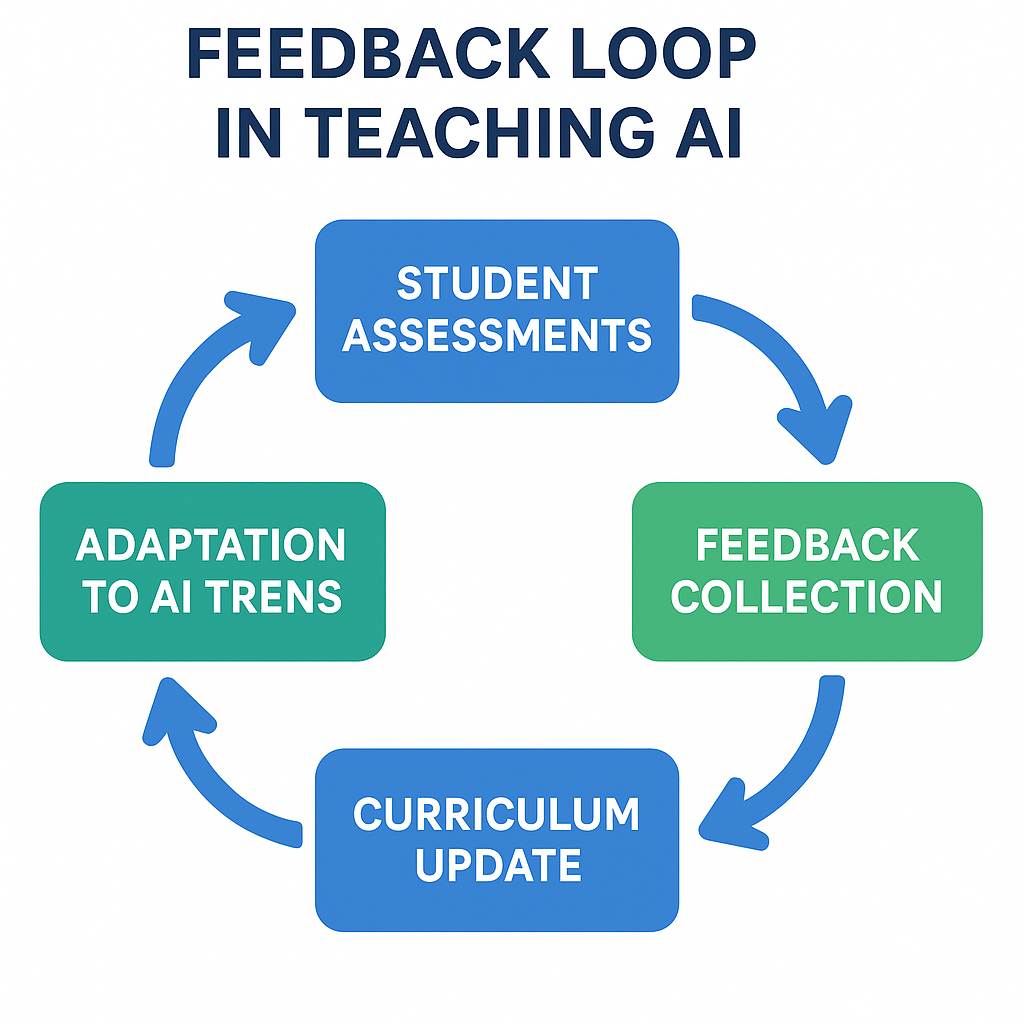
Regular assessments and feedback loops ensure that AI concepts are understood. Using surveys and quizzes about AI topics helps educators adjust lessons based on student comprehension and interest levels.
Adapting to New AI Trends
Stay informed about AI advancements and update curriculum content accordingly. As AI technology evolves, continuous learning ensures that instructors remain current and capable of teaching emerging trends without becoming experts themselves.
- Incorporate AI topics effectively using available educational resources like Bovee and Thill’s textbooks.
- Engage students with hands-on AI tools to enhance learning through practical application.
- Facilitate ethical discussions to improve students’ critical thinking about AI’s societal impacts.
- Leverage industry connections to provide students with real-world AI insights.
- Maintain curriculum relevance by staying updated with the latest AI trends and advances.
AI Literacy: Understanding and effectively interacting with AI technologies and their outputs.
Generative AI: A type of AI capable of creating content, such as text, images, and sounds, based on input data.
MyLab Business Communication: An online education platform offering interactive resources for business communication education.
Ethical AI: The practice of developing and using AI technologies in ways that uphold values such as fairness, accountability, and transparency.
Practical Applications: Real-world examples and exercises designed to help students understand AI’s impact in business scenarios.
Related Questions- How can instructors integrate AI discussions into non-technical disciplines?
- What resources are available for teaching AI concepts without technical expertise?
- How can MyLab Business Communication enhance AI learning in classes?
- What are the ethical considerations when integrating AI into curricula?
- How does Business Communication Today, 16th Edition address AI literacy?
- How can real-world applications improve student engagement with AI?
- What are effective ways to assess students’ understanding of AI topics?
Bovee, C. L., & Thill, J. V. (2023). Business Communication Today (16th ed.). Pearson Education.
Johnson, R. (2022). Adapting Curricula to AI Growth in Business Education. Journal of Educational Technology Research, 45(3), 256-270. https://doi.org/10.1002/edu25690
Smith, A. (2021). Ethical Considerations in AI Education. International Journal of Ethics in Education, 34(2), 145-159.
Wilson, P. (2023). Practical AI Applications in Business Schools. Business Education Quarterly, 39(1), 12-21.
Thompson, M. (2020). Engaging Students with AI: A Modern Approach. Higher Education Review, 78(4), 100-115. https://doi.org/10.1016/j.he.2020.10.115
If you’re ready to help students communicate with confidence in the AI era, explore how Business Communication Today, 16th Edition can transform your curriculum with integrated, ethical AI guidance.
