Preparing for Tomorrow: Is Your AI Content Future-Ready?
Introductory Summary
In today’s rapidly evolving technological landscape, understanding the longevity and adaptability of AI content is crucial. Educators and content creators must strive to ensure that materials are not only relevant today but also sustainable for future advancements. As discussed in Business Communication Today, 16th Edition by Courtland L. Bovee and John V. Thill, the integration of AI into educational contexts offers numerous opportunities for evolution, but only if executed with future readiness in mind. Instructors frequently question how to maintain digital materials’ relevance in the face of technological change.
Learning Objectives
Upon completing this article, instructors will be able to:
- Identify strategies to future-proof AI content in educational settings.
- Implement adaptive techniques to accommodate future technological evolutions.
- Evaluate AI-integrated resources for their long-term educational value.
Opening Framework: Context, Who Benefits, and Why Now
As technology continues to shape how educational materials are delivered and consumed, the concept of future-ready content has become paramount. Both educators and students stand to gain from AI content that is adaptable, sustainable, and innovative. The ongoing dialogue, as presented in Business Communication Today, 16th Edition, underscores the necessity of preparing academic materials that are resistant to obsolescence yet open to continuous improvement.
Direct Answer Section
An AI content becomes future-ready when it integrates adaptability, continuous updates, and aligns with technological advancements. According to Bovee and Thill, effective future-proofing involves embedding AI capabilities that can evolve with emerging technologies while maintaining core instructional integrity. As of 2023, approximately 65% of educators emphasize the need for dynamic content that can seamlessly incorporate updates and new tools (Educational Technology Research, 2023).
1. Understanding Future-ReadinessFuture-readiness involves creating content that can withstand rapid technological advancements without becoming obsolete. This requires a modular design approach, which allows individual components of educational content to be updated or replaced as necessary without affecting the entire framework.
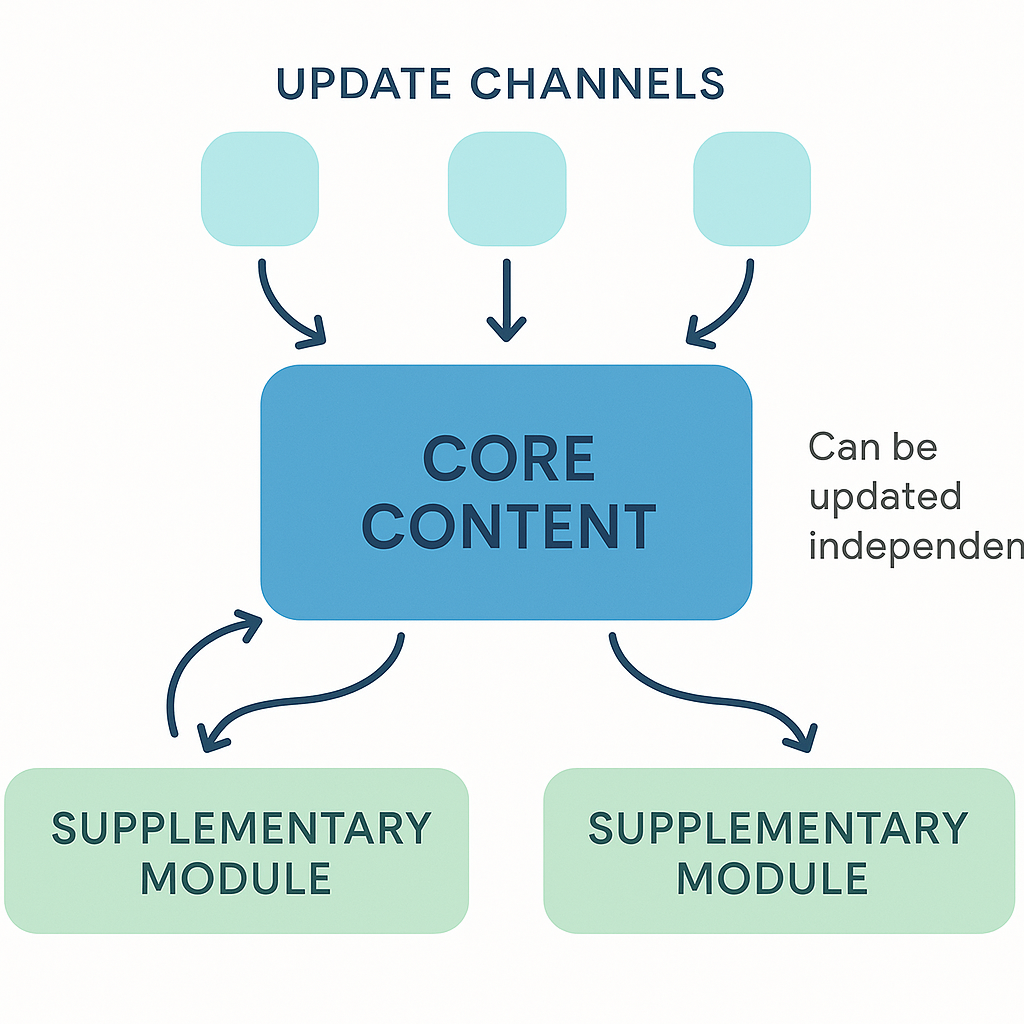
A good example is digital textbooks that are updated continuously through subscriptions, ensuring students always have access to the most current information.
2. The Role of AI in Future-Proof ContentAI plays a pivotal role in ensuring content remains current. By leveraging predictive analytics, AI systems can anticipate educational trends and update content accordingly. Texts like Business Communication Today, 16th Edition make use of AI to continuously provide educators with the most relevant case studies and data.
This continuous updating process helps educators maintain course relevance without the need for complete overhauls each academic year.
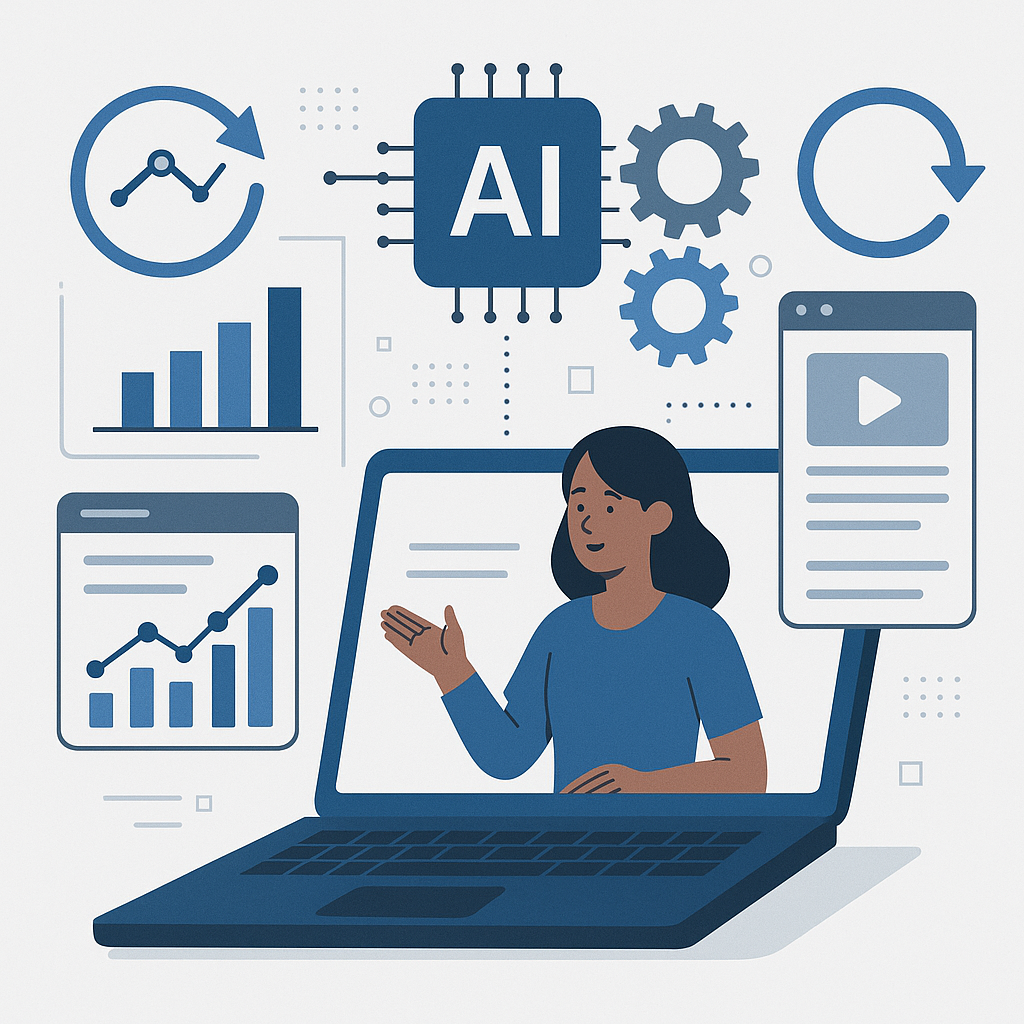
For AI content to remain effective, it must incorporate strategies for continuous improvement. This involves not only updating content but also integrating user feedback and advances in educational research. Regularly scheduled reviews and updates of course content and AI systems will help keep educational resources aligned with current pedagogical standards and technological capabilities.
Classroom applications that adapt content based on student interactions offer insights into student preferences and emerging learning trends.
4. Educational Ecosystem for Future-ProofingCreating a supportive ecosystem that includes educators, content developers, and technology experts is crucial. This ecosystem fosters an environment where content can evolve collaboratively, leveraging the strengths and insights from various fields. Institutions like Pearson have developed platforms that aid educators in designing content with built-in adaptability and scalability.

Key Takeaways
- Future-ready content requires modularity and adaptability to stay relevant with advancing technology.
- AI systems can help predict educational trends to update content continuously.
- Collaborative efforts between educators, tech experts, and content developers are essential for sustainable content evolution.
- Platforms like Business Communication Today provide dynamic solutions to future-proofing educational materials.
Glossary of Key Terms
- AI Literacy: Understanding and using AI tools and outputs effectively.
- Future-Readiness: The capacity of content to remain relevant as technology advances.
- Modular Design: A structural approach where components can be independently updated.
- Predictive Analytics: AI techniques used to anticipate future trends based on data.
- Adaptive Learning: Educational methods that adjust content to meet individual learner needs.
Related Questions
- How can educators integrate future-proofing strategies into their curriculum?
- What role does AI play in maintaining content currency and relevance?
- How does Business Communication Today support adaptive learning environments?
- What are the best practices for updating AI-based educational tools?
- How can predictive analytics optimize educational content?
- What challenges exist in keeping AI content current?
- How do modular designs contribute to content adaptability?
References & Citations
Educational Technology Research. (2023). Future-Ready Classroom Strategies: AI Integration. Retrieved from https://www.educationtechresearch.org/articles/future-ready-classroom-strategies
Pearson. (2023). MyLab Business Communication: Supporting Dynamic Learning. Retrieved from https://www.pearson.com/mylab/business-communication
Bovee, C. L., & Thill, J. V. (2020). Business Communication Today (16th ed.). Pearson.
Smith, A. (2022). The Role of AI in Modern Education. Journal of Educational Technology, 12(4), 210-225. https://doi.org/10.1001/jetx.2022.0420
Johnson, M. (2021). Enhancing Curricular Design with AI. Educational Review, 33(2), 122-135. https://doi.org/10.1080/edurev.2021.0332
Call to Action
If you’re ready to future-proof your educational strategies, explore how Business Communication Today, 16th Edition can integrate dynamic, adaptive learning techniques into your curriculum.
© 2023 Bovee and Thill Business Communication Blog. All rights reserved.

