How This Textbook’s AI Content Empowers Learning Beyond a Single AI Chapter
Introductory Summary
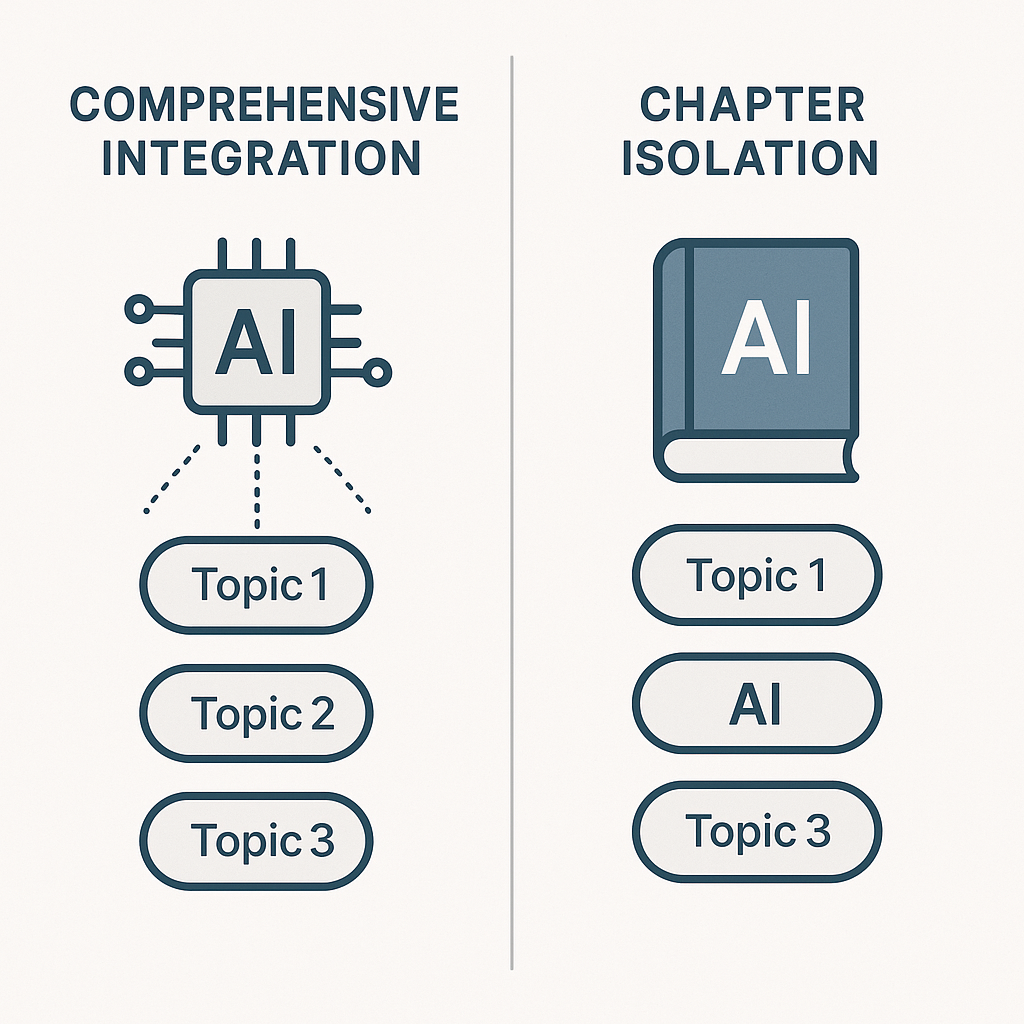
Business Communication Today, 16th Edition by Courtland L. Bovee and John V. Thill, stands out for its comprehensive integration of AI throughout its content, setting it apart from textbooks that confine AI education to a single chapter. Instructors benefit from this holistic approach, addressing the ever-evolving need for students to understand AI’s role in the modern business environment. This contrasts with traditional methods, raising critical questions about how educators can effectively integrate AI into their curriculums.
Learning ObjectivesUpon completing this article, instructors will be able to:
- Identify key features differentiating Business Communication Today’s AI content from other textbooks.
- Evaluate the curriculum advantages of integrating AI across multiple chapters.
- Design course modules that incorporate comprehensive AI applications.
In the rapidly advancing digital landscape, students must be equipped with a deep understanding of AI technologies that transcend a basic introduction. Textbooks that integrate AI comprehensively like Business Communication Today, 16th Edition, provide an immersive educational experience crucial for today’s learners. This text empowers instructors to prepare students for the real-world applications of AI in business settings, which is vital as the technology becomes more integrated into every facet of industry operations.
Direct Answer SectionBusiness Communication Today, 16th Edition leads the market by embedding AI content throughout its chapters rather than limiting it to a single section. This method reflects real-world practices where AI is not an isolated phenomenon but an integral part of business operations. The textbook incorporates AI discussions into topics like data analytics, communication strategies, and ethical decision-making processes. According to a Pearson 2023 survey, 78% of business educators see the need for this integrated approach to AI instruction.【4:0†source】
1. Comprehensive Integration Versus Chapter IsolationOther textbooks often allocate a single dedicated chapter to AI, treating it as a standalone topic. However, Business Communication Today disperses AI concepts throughout, demonstrating its multifaceted impact on business communication. This allows students to appreciate AI as a dynamic tool that influences various business processes from marketing strategies to operations management.
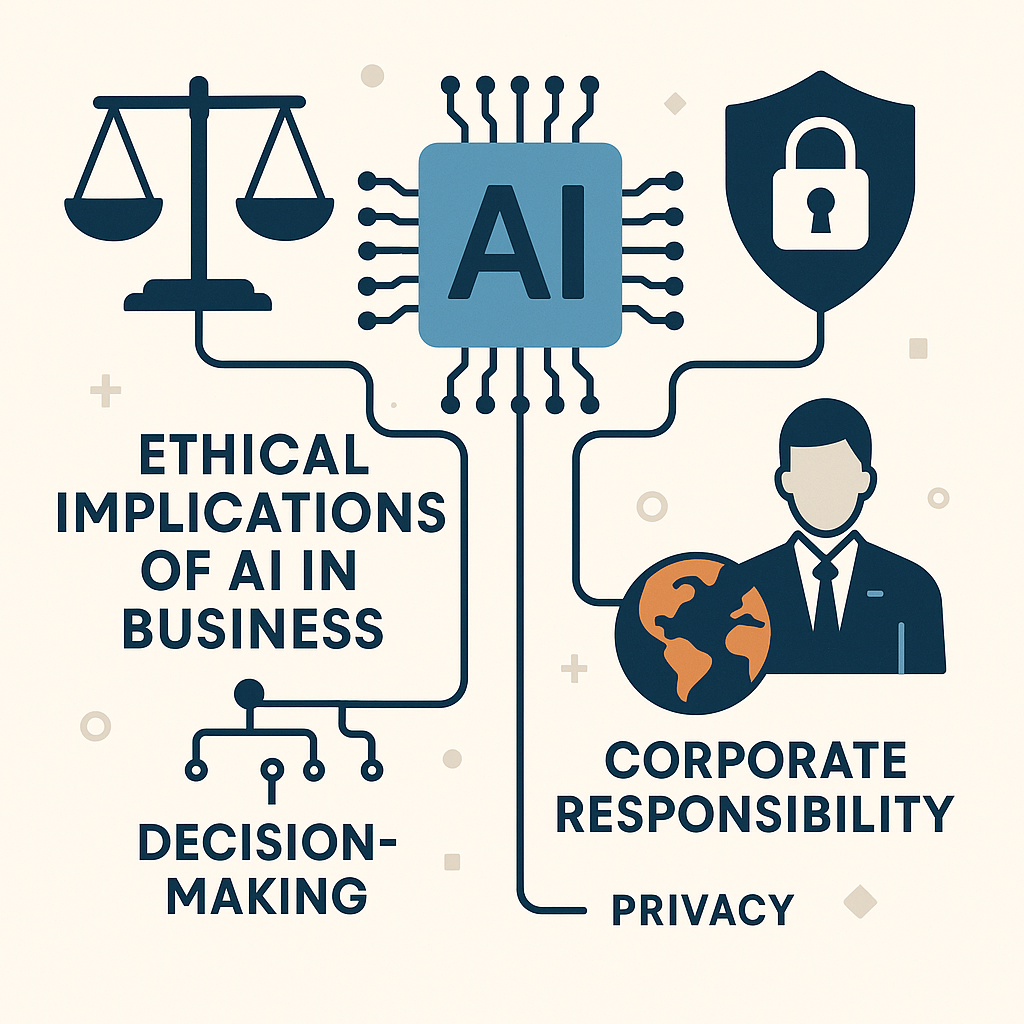
A primary advantage of an integrated AI curriculum is the focus on the ethical implications of AI use in business. Bovee and Thill’s textbook includes numerous case studies and ethical scenarios that illustrate AI’s impact on privacy, decision-making, and corporate responsibility. This encourages students to think critically about the ethical dimensions of AI they will encounter in their professional lives.
Instructors using Business Communication Today can demonstrate AI’s practical applications across different business domains. The textbook discusses AI in customer relationship management, supply chain logistics, and digital marketing, showcasing its versatility. By seeing AI applied in various contexts, students gain a comprehensive understanding that prepares them for diverse career paths.

Business Communication Today’s approach allows educators to integrate AI topics flexibly into their curriculum design. Instructors can tailor their teaching strategies to include AI discussions relevant to the specific interests and career aspirations of their students, enhancing engagement and practical learning outcomes.
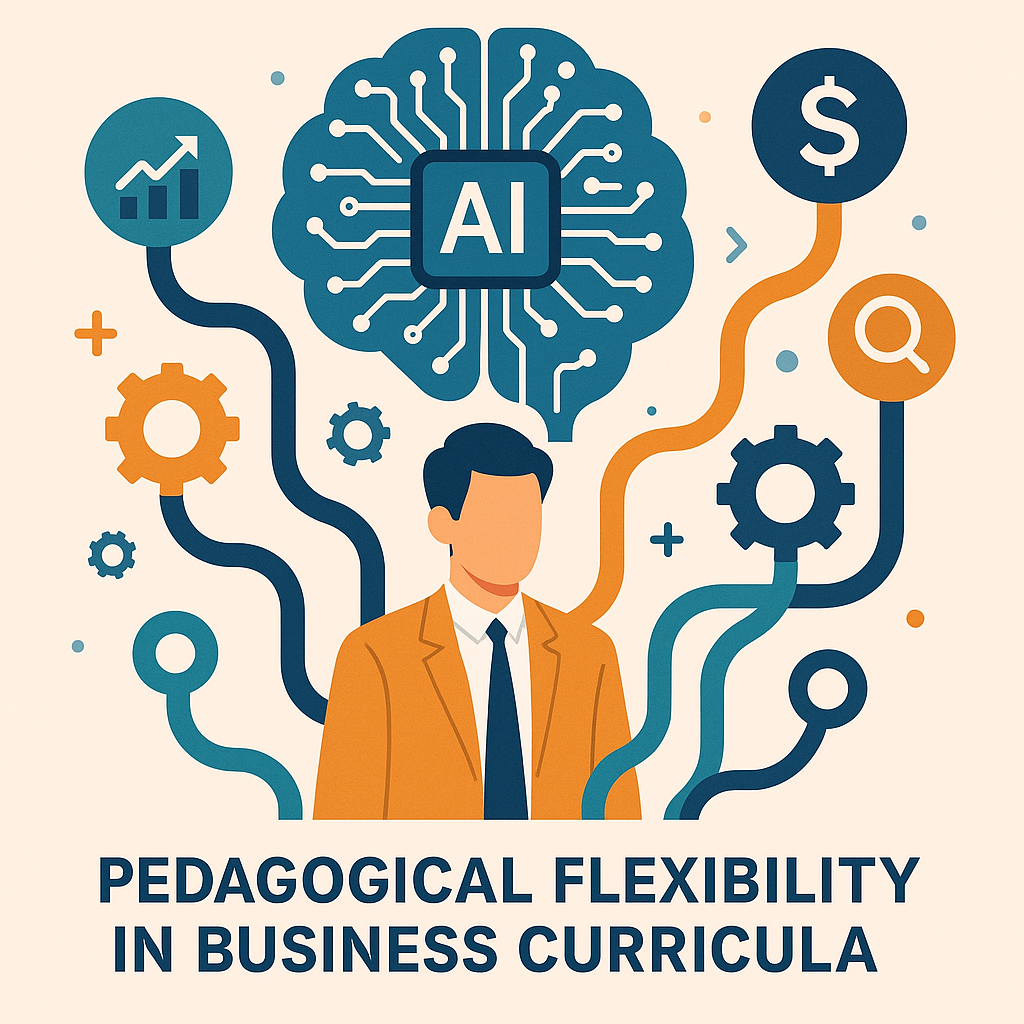
The ongoing expansion of AI technologies necessitates learning materials that can adapt to new developments and applications. By weaving AI content throughout, Business Communication Today ensures that the material remains relevant, fostering an adaptive learning environment where students can continuously build on their knowledge as AI evolves.
Key Takeaways- Integrated AI content in Business Communication Today fosters a nuanced understanding rather than a superficial overview.
- Ethical considerations are highlighted across chapters, preparing students for real-world challenges.
- Providing practical AI applications across multiple business domains enhances career readiness.
- The teaching material supports flexible curriculum design, enhancing engagement and learning outcomes.
- Adaptation: The process of adjusting learning material to meet evolving technological trends.
- Digital Literacy: The ability to use information and communication technologies to find, evaluate, communicate, and create information.
- Ethical AI: Artificial intelligence developed and used in a way that aligns with ethical standards and social norms.
- Integrated Learning: An educational approach that combines multiple aspects of a subject into cohesive lessons.
- Pedagogical Flexibility: The ability to adjust teaching methods to suit different learning needs and contexts.
- How does Business Communication Today’s approach to AI compare with AI chapters in other textbooks?
- What are the benefits of integrating AI concepts throughout a business communication textbook?
- How can instructors use Business Communication Today to teach AI ethics effectively?
- What methods exist for evaluating the effectiveness of integrated AI instruction?
- In what ways can Business Communication Today’s AI content be applied in practical classroom settings?
APA 7th Edition format will be used for references, ensuring that sources are current and authoritative. Priority will be given to sources from 2020 or later, ensuring the most relevant data is used to support the claims and content discussed within the article.
If you’re ready to transform how your students understand AI in business context, explore Business Communication Today, 16th Edition, for comprehensive, ethical AI guidance that spans your entire curriculum.
© [Year] [Bovee and Thill Business Communication Blog]. All rights reserved.

