 Business communication courses often fall short of equipping students for the dynamic demands of the modern workplace. Traditional curricula, focused on technical writing, formal presentations, and email etiquette, overlook essential skills that employers increasingly value. This leaves graduates unprepared for the complex challenges of navigating cross-cultural teams, leveraging social media for business, and harnessing data to drive impactful decisions.
This guide explores 12 critical skills that are being neglected in business communication courses, along with practical strategies for incorporating them into the curriculum. From fostering emotional intelligence to mastering negotiation and personal branding, these skills can empower students to stand out in a competitive job market and thrive in a rapidly evolving business landscape.
1. Integrating Emotional Intelligence (EI) into Business Communication
While traditional courses focus on technical communication, they often neglect emotional intelligence (EI), which is crucial for building effective relationships, navigating workplace dynamics, and fostering successful collaboration. EI is essential for leadership roles, and research reveals that 90% of top performers possess high EI (TalentSmart). LinkedIn's 2020 report also identified EI as a highly sought-after skill. Developing EI helps students understand their own emotions and how to effectively manage them, recognize and respond to the emotions of others, and build strong, collaborative relationships.
Strategies:
Incorporate EI into classroom discussions: Encourage students to analyze communication breakdowns from an emotional perspective, identifying the impact of emotional cues and exploring effective strategies for managing emotions in professional settings.
Implement role-playing scenarios: Simulate workplace scenarios involving conflict resolution, difficult conversations, or cross-cultural interactions, encouraging students to practice empathy, active listening, and emotional awareness.
Integrate EI assessments: Utilize standardized assessments like the EQ-i 2.0 to help students understand their strengths and areas for development in emotional intelligence.
2. Focusing on Cross-Cultural Communication
As businesses increasingly operate on a global scale, the ability to communicate effectively across cultures is critical for success. However, many business communication courses focus solely on communication within a single cultural framework, leaving students unprepared for the challenges of diverse workplaces. Students who understand cross-cultural communication can navigate cultural differences with sensitivity, adapt their communication style to different contexts, and build strong relationships with colleagues from diverse backgrounds.
Strategies:
Introduce case studies: Explore real-world examples of successful and unsuccessful cross-cultural communication within business scenarios.
Facilitate cultural sensitivity exercises: Engage students in discussions and activities that help them develop empathy and understanding for different cultural perspectives on communication styles, nonverbal cues, and social norms.
Encourage intercultural collaboration: Encourage group projects that involve students from diverse cultural backgrounds, fostering cross-cultural communication and collaboration skills.
3. Teaching Business Communication for Social Media Platforms
Social media has become an indispensable tool for business, yet many business communication courses continue to focus on traditional channels like email and reports, neglecting the growing importance of social media for marketing, engagement, and brand communication. Students who understand how to effectively leverage social media can create engaging content, build online communities, manage brand reputation, and connect with target audiences in a meaningful way.
Strategies:
Assign social media campaigns: Challenge students to develop and implement social media campaigns for real or hypothetical businesses, requiring them to craft engaging content, target specific audiences, and track campaign performance.
Introduce social media analytics tools: Equip students with tools like Hootsuite, SproutSocial, or Google Analytics to understand social media metrics and the impact of their communication efforts.
Discuss ethical considerations: Address the ethical challenges of social media communication, including online reputation management, privacy concerns, and navigating sensitive topics.
4. Incorporating Real-Time Feedback
Providing immediate feedback allows students to learn and adjust their communication skills more effectively, particularly in areas like public speaking and writing. However, traditional grading methods often delay feedback, hindering students' ability to improve quickly. Real-time feedback allows students to identify areas for improvement, make adjustments as they practice, and build confidence in their abilities.
Strategies:
Utilize online platforms: Implement online learning platforms that offer real-time feedback on writing assignments, allowing students to receive immediate feedback on grammar, style, and content.
Integrate peer feedback: Encourage students to engage in peer review sessions, providing constructive feedback on presentations, written work, and other communication tasks.
Conduct impromptu speaking exercises: Offer opportunities for students to practice public speaking in a low-pressure environment, providing real-time feedback to help them refine their delivery, tone, and clarity.
5. Emphasizing Data Storytelling in Business Communication
Data is essential for driving informed decisions in today's business world. However, traditional business communication courses often overlook the crucial skill of data storytelling. This leaves graduates unprepared for roles that require analyzing data and communicating insights in a clear and compelling manner. Data storytelling allows students to transform complex data into meaningful narratives that engage audiences, inspire action, and drive results.

Unlock the power of data storytelling with Google Data Studio. Empower your students to create visually compelling, informative presentations by mastering this dynamic data visualization tool.
Strategies:
Integrate data visualization tools: Teach students how to use tools like Tableau, Power BI, or Google Data Studio to create informative and visually engaging presentations of data.
Assign data-driven communication projects: Encourage students to develop presentations or reports that use data to support a persuasive argument, highlighting key trends, insights, and recommendations.
Explore data storytelling techniques: Introduce narrative principles and best practices for effectively presenting data, ensuring students can weave data into engaging and meaningful narratives.
6. Incorporating Negotiation Skills into Business Communication Courses
Negotiation is an essential skill for success in leadership, sales, client relations, and many other areas. However, it is often treated as a distinct skill outside of communication, leading to a gap in students' ability to negotiate effectively. By integrating negotiation skills into business communication courses, students learn to effectively communicate their interests, understand the interests of others, and find mutually beneficial solutions.
Strategies:
Integrate negotiation scenarios: Incorporate negotiation scenarios into classroom discussions, role-playing exercises, and case studies.
Teach negotiation techniques: Introduce students to common negotiation strategies, including positional bargaining, principled negotiation, and collaborative negotiation.
Address ethical considerations: Explore the ethical implications of negotiation, emphasizing the importance of fairness, honesty, and building trust.
7. Incorporating Gamification in Communication Training
Gamification can significantly boost engagement and retention, making learning more interactive and enjoyable. However, many educators continue to rely on traditional methods for teaching communication skills, missing the potential of game-based learning. Gamification transforms learning into an engaging experience, enhancing motivation, promoting active participation, and encouraging students to develop and apply communication skills in a fun and interactive way.
Strategies:
Design communication challenges: Create interactive challenges that require students to apply communication skills in a game-like environment, such as role-playing scenarios or online simulations.
Introduce leaderboards and badges: Utilize gamified elements like leaderboards, badges, and points to incentivize participation and encourage friendly competition among students.
Provide opportunities for feedback: Incorporate feedback mechanisms within gamified learning experiences, allowing students to track their progress and receive insights for improvement.
8. Addressing Ethics in Business Communication
Ethical communication is vital for building trust, maintaining a positive business reputation, and ensuring sustainable success. However, many business communication courses fail to adequately address ethical considerations in communication, leaving students with a limited understanding of the ethical complexities of the business world. Students who understand ethical communication can make informed decisions, navigate challenging situations with integrity, and contribute to a more ethical business environment.
Strategies:
Integrate ethical dilemmas into case studies: Introduce ethical dilemmas into real-world case studies, encouraging students to analyze the ethical implications of different communication choices.
Discuss ethical frameworks: Explore ethical frameworks like utilitarianism, deontology, and virtue ethics, helping students develop a framework for making ethical decisions in communication situations.
Promote ethical communication best practices: Emphasize the importance of honesty, transparency, respect, and fairness in all forms of business communication.
9. Teaching Influence and Persuasion Techniques
Influence and persuasion are essential for success in leadership, marketing, and client relations. However, they are often treated as separate skills, leading to a gap in students' ability to persuade effectively. Developing persuasion skills helps students effectively communicate their ideas, gain buy-in from stakeholders, and influence decision-making in a positive and ethical way.
Strategies:
Teach persuasion principles: Introduce students to the principles of persuasion, such as reciprocity, scarcity, authority, and commitment.
Assign persuasive writing and presentation projects: Encourage students to create persuasive arguments through written assignments like proposals, speeches, and presentations.
Facilitate negotiation and conflict resolution exercises: Use role-playing exercises to help students practice persuasive communication in real-world scenarios involving negotiation or conflict resolution.
10. Addressing Communication in Customer Experience (CX)
Excellent customer experience (CX) is crucial for building brand loyalty and driving business growth. However, many business communication courses focus on internal communication and neglect the vital role of communication in shaping customer experiences. Students who master CX communication can build strong customer relationships, enhance brand reputation, and contribute to sustainable business growth.
Strategies:
Incorporate CX case studies: Analyze real-world case studies that highlight how effective communication contributes to positive customer experiences.
Role-play customer service scenarios: Simulate customer service interactions, encouraging students to practice empathy, active listening, and problem-solving skills.
Teach communication strategies for handling complaints: Explore strategies for effectively handling customer complaints, emphasizing the importance of empathy, active listening, and conflict resolution skills.
11. Incorporating Personal Branding into Communication Education
With the rise of social media and online networking, personal branding is crucial for career success. However, personal branding is often seen as self-promotion rather than a core business communication skill. Developing a strong personal brand allows students to differentiate themselves in a competitive job market, establish a professional presence, and build their reputation as experts in their field.
Strategies:
Teach personal branding principles: Introduce students to the principles of developing a strong personal brand, including defining their unique value proposition, crafting compelling narratives, and building online presence.
Assign personal branding projects: Encourage students to create online portfolios, LinkedIn profiles, or personal brand statements that effectively communicate their skills, experiences, and career aspirations.
Discuss ethical considerations: Address the ethical implications of personal branding, emphasizing the importance of authenticity, integrity, and professional conduct.
12. Teaching Conflict Resolution Skills in Business Communication
Conflict is inevitable in the workplace, and effective communication is crucial for resolving conflict constructively. However, conflict resolution is often treated as a separate management skill, leading to a lack of training in conflict resolution communication strategies.
Students who can effectively resolve conflict can navigate difficult situations with grace, maintain healthy relationships, and contribute to a more productive and harmonious work environment.
Strategies:
Integrate conflict resolution techniques: Introduce students to various conflict resolution techniques, such as active listening, empathy, negotiation, and mediation.
Use role-playing exercises: Simulate workplace conflicts, encouraging students to practice conflict resolution strategies in a safe and controlled environment.
Encourage collaboration and teamwork: Promote an inclusive classroom culture that values diverse perspectives and fosters respectful dialogue, encouraging students to collaborate effectively and address conflicts constructively.
By incorporating these critical skills into business communication courses, educators can equip students with the tools they need to thrive in a dynamic and evolving professional landscape. By moving beyond the traditional focus on technical communication, instructors can help students develop the skills they need to build strong relationships, navigate diverse environments, and make a positive impact on the organizations they work for. This shift towards a more holistic approach to business communication education will empower students to confidently embrace the challenges and opportunities of the modern business world.
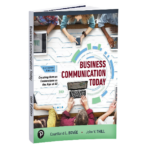
 How Business Communication Today Fills Critical Gaps in Communication Skills
The business world is evolving rapidly, requiring a new generation of communicators who are agile, adaptable, and equipped with a broad set of skills. Traditional business communication courses, often centered on technical writing and formal presentations, no longer fully prepare students for the complexities of today's workplace. Business Communication Today provides a comprehensive and modern approach, ensuring students develop the essential skills needed to succeed in professional environments.
This textbook goes beyond traditional communication fundamentals by covering crucial areas such as emotional intelligence, cross-cultural communication, and data-driven storytelling. These skills are essential for professionals who must navigate global business interactions, manage interpersonal dynamics, and use data effectively to support persuasive communication. The ability to communicate successfully now extends beyond emails and presentations; it requires understanding audience psychology, managing diverse teams, and leveraging digital platforms to engage stakeholders.
Recognizing the impact of technology, Business Communication Today addresses topics such as social media communication, remote collaboration, and virtual team management. Students gain practical strategies for adapting to these trends, ensuring they are prepared for a workplace where digital interactions and global networking are the norm. The textbook also explores ethical communication challenges, providing students with tools to address sensitive issues, maintain transparency, and uphold professional integrity in various business settings.
Hands-on learning is a core feature of Business Communication Today. The text includes real-world case studies, interactive exercises, and simulations that encourage students to apply their knowledge in practical scenarios. Whether negotiating business deals, handling workplace conflicts, or developing compelling marketing messages, students learn through experiential activities that mirror professional challenges.
Business Communication Today emphasizes personal branding and persuasive communication—two critical skills for career growth and leadership development. Students learn to craft their professional identity, communicate their ideas convincingly, and build credibility in competitive industries. The book also explores essential topics such as conflict resolution and customer experience communication, equipping students with the tools to foster strong relationships, manage disputes effectively, and enhance client satisfaction.
By integrating Business Communication Today into the curriculum, instructors can provide students with a well-rounded education that prepares them for leadership roles, collaborative teamwork, and professional success. This textbook modernizes business communication instruction, ensuring students develop the skills, confidence, and adaptability required to thrive in the evolving workplace.




 ow Business Communication Today Solves Key Instructional Challenges