Understanding Text-to-Video Technology
In the rapidly evolving landscape of business communication instruction, text-to-video AI applications have emerged as powerful tools that are transforming how companies create and share visual content. These innovative applications use artificial intelligence to convert written text into professional-quality videos, complete with visuals, animations, and sometimes even realistic human avatars.
Teaching business communication can benefit from these tools by transforming lecture notes or instructional materials into engaging video content that captures students' attention.
Traditional business communication training lacks modern workplace skills: collaboration, social media, data analysis.
Text-to-video AI works by analyzing written input and automatically generating corresponding visual elements, including scenes, transitions, and sometimes computer-generated narrators. The technology leverages advanced machine learning algorithms to understand context, tone, and intended messaging, translating these elements into cohesive video presentations.
Leading Applications in the Market
Among the leading applications in this space, Synthesia has established itself as a frontrunner, particularly known for its ability to create AI-powered video presentations featuring realistic digital avatars speaking in multiple languages.
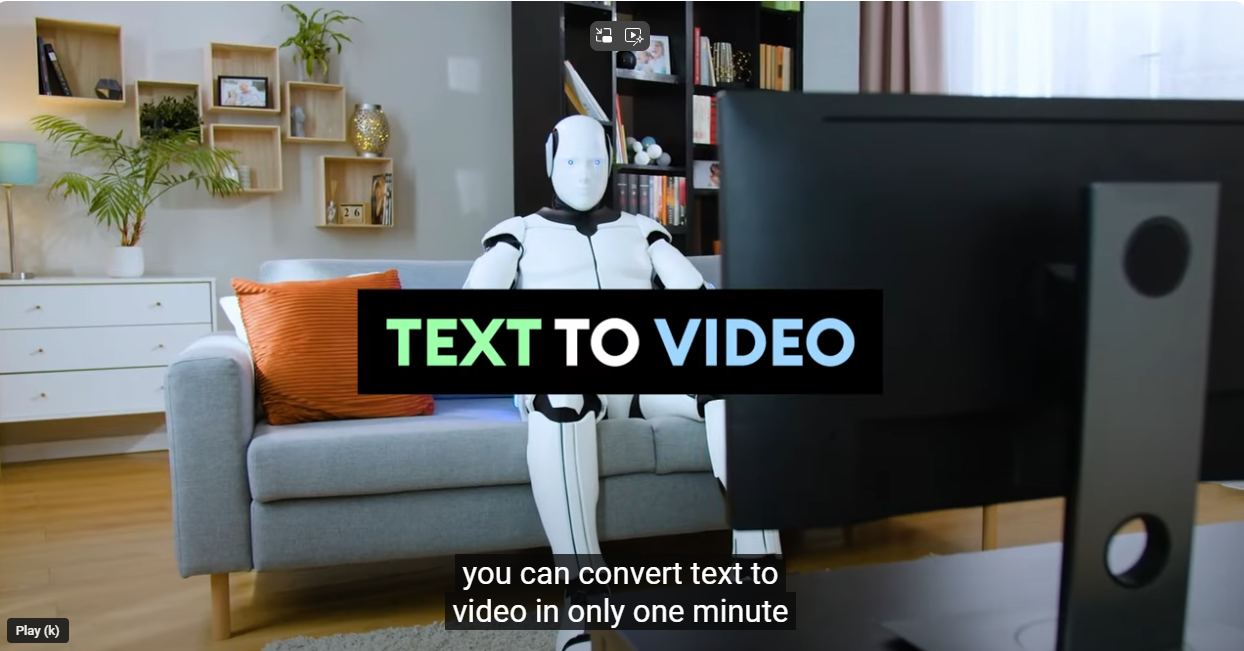
Text-to-video AI applications are revolutionizing business communication by transforming written content into professional videos with visuals, animations, and AI avatars. Using advanced algorithms to analyze text and generate corresponding visual elements, these tools create cohesive video presentations. Industry leaders like Synthesia offer sophisticated features including multilingual digital avatars.
HeyGen has gained popularity for its user-friendly interface and high-quality video outputs, making it accessible even to those without video editing experience. D-ID, another prominent player, specializes in creating talking-head videos from still images, offering particularly compelling applications for personalized business communications.
Transforming Internal Communications
The impact of these tools on teaching business communication and internal communications is profound and multifaceted. For internal communications, companies are using text-to-video AI to transform routine emails and announcements into engaging video content. For example, rather than sending a lengthy email about quarterly results, a CFO can quickly generate a video presentation that walks through key metrics with supporting visuals and graphics, making the information more digestible and memorable for employees.
Revolutionizing Customer Service
In the realm of customer service, these applications are revolutionizing how businesses handle frequently asked questions and product explanations. Companies can rapidly create customized video responses to common customer inquiries, providing a more personal and engaging experience than traditional written responses. A technical support team, for example, can convert their existing knowledge base articles into step-by-step video tutorials, dramatically improving customer understanding and satisfaction.
Enhanced Training and Onboarding
Training and onboarding represent another significant application area. HR departments are using text-to-video AI to convert written training materials into engaging video content. This is particularly beneficial for business communication instruction, as training videos can effectively convey key communication techniques. New employee handbooks, compliance training, and standard operating procedures can be transformed into interactive video presentations, ensuring consistency in training delivery while reducing the resources required for in-person sessions.
Marketing Applications
Marketing teams have found these tools invaluable for rapid content creation. Rather than spending days or weeks producing a single video advertisement, marketers can now generate multiple versions of video content quickly, testing different approaches and messages. This capability is especially useful for social media marketing, where regular, fresh content is crucial for maintaining audience engagement.
Global Business Impact
The technology also offers significant advantages for business communication on an international scale. Many text-to-video platforms can generate content in multiple languages, complete with appropriate cultural nuances and localized visuals. This enables businesses to create consistent messaging across different markets without the traditional costs and complexities of international video production.
Current Limitations and Challenges
However, the technology comes with several important limitations. A crucial constraint is that text-to-video AI cannot yet incorporate real human actors in its generated videos. The technology is limited to using AI-generated avatars and synthetic voices, which, while increasingly sophisticated, may not fully replicate the warmth and authenticity of human presenters. This limitation is particularly relevant for content where human connection and emotional resonance are essential, such as sensitive corporate communications or high-stakes presentations.
Additionally, while the technology excels at creating standard business communications, it may not yet be suitable for highly creative or emotionally nuanced content that requires a human touch. Organizations need to carefully consider their brand voice and ensure that the automated videos align with their established visual and communication standards. The synthetic nature of AI-generated presenters might not be appropriate for all contexts, particularly in situations where building trust and personal connection is paramount.
Future Outlook
Looking ahead, the role of text-to-video AI in teaching business communication and corporate communication is likely to expand as the technology evolves. As these tools become more sophisticated, we can expect to see even more natural and personalized video content, further blurring the line between human-created and AI-generated videos. This evolution will continue to transform how businesses and educators communicate, making visual content more accessible, efficient, and effective than ever before, even as the technology works to overcome its current limitations regarding human representation and emotional authenticity.
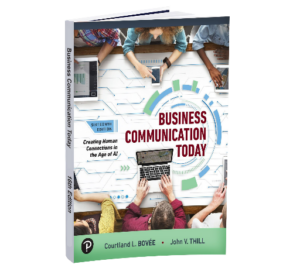
Business Communication Today and the Rise of Text-to-Video Technology
As AI-driven tools like Synthesia, HeyGen, and Runway transform video creation, business professionals must learn how to craft messages that translate effectively across digital platforms. Business Communication Today is the ideal textbook for those exploring text-to-video AI technology, providing a strong foundation in communication principles while addressing the latest digital trends.
Mastering Messaging for AI-Generated Video Content
A core strength of Business Communication Today is its focus on clarity, conciseness, and strategic narrative flow—essential elements in crafting effective scripts for AI-generated videos. Since text-to-video AI relies on well-structured input, the textbook’s emphasis on message design, audience adaptation, and professional tone helps students and professionals create content that remains engaging when converted into video format. Whether designing marketing materials, training videos, or customer service content, users will learn how to optimize their messaging for both human and AI-driven audiences.
Multimodal Communication and Visual Storytelling
The textbook explores multimodal communication strategies, emphasizing the integration of text, visuals, and audio. This aligns seamlessly with text-to-video AI tools, which require scriptwriters to think beyond text and consider elements like body language, vocal tone, and visual pacing. Lessons on digital media, brand voice, and storytelling techniques ensure that AI-generated videos maintain authenticity and align with corporate communication standards.
Applying AI in Real-World Business Communication
Business Communication Today provides practical guidance on digital etiquette, message personalization, and ethical AI use, ensuring that professionals can craft effective onboarding videos, corporate presentations, and promotional content without losing credibility. As AI-driven video tools become essential for businesses, this textbook prepares learners to use these innovations while maintaining clear, professional, and impactful communication.
By mastering the principles of AI-assisted video communication, students and professionals using Business Communication Today will stay ahead in the evolving digital communication landscape.